Global Site - English
Credit(s) earned on completion of this course will be reported to AIA CES for AIA members. Certificates of Completion for both AIA members and non-AIA members are available upon request.
Attendees must add their name to the sign-in sheet in order to receive 1 LU credit for the course.
This course is registered with AIA CES for continuing professional education. As such, it does not include content that may be deemed or construed to be an approval or endorsement by the AIA of any material of construction or any method or manner of handling, using, distributing, or dealing in any material or product.
This program is registered for a 1-hour continuing education credit. Your attendance will be reported by your instructor. Certificates of completion will be automatically issued. You may also obtain a transcript through your account dashboard at www.ceuevents.com.

16,000+
Systems Installed

1,000+
Employees

39
Global Locations

80+
Years Experience
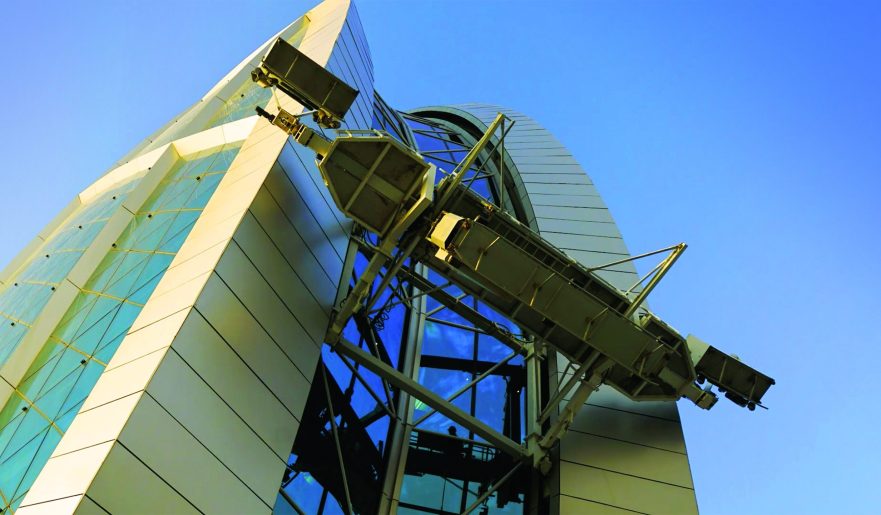
Earn 1 AIA LU/HSW credit while learning how to incorporate permanent facade access equipment into your building designs safely, efficiently, and in compliance with OSHA, ASME, and IWCA standards.
What You’ll Learn
This course covers the complete lifecycle of facade access: from regulations through design integration and system specification.
Understand the regulatory, safety, and economic drivers behind permanent engineered maintenance equipment,
including OSHA’s General Duty clause and its implications for architects and building owners.

Review OSHA 1910.66, ASME A120.1-2021, IWCA I-14.1, plus state-specific regulations for California (GISO Title 8)
and New York (Industrial Code 21), including height thresholds at 130 ft, 300 ft, and 490 ft.

Learn major factors for early design: building height, facade geometry, structural loads, roof layout, equipment storage,
tie-in guide selection, and budget implications.
Discuss how building height, facade complexity, maintenance program, and project location determine the right system:
tieback anchors, davits, monorails, self-powered platforms, or full BMUs.
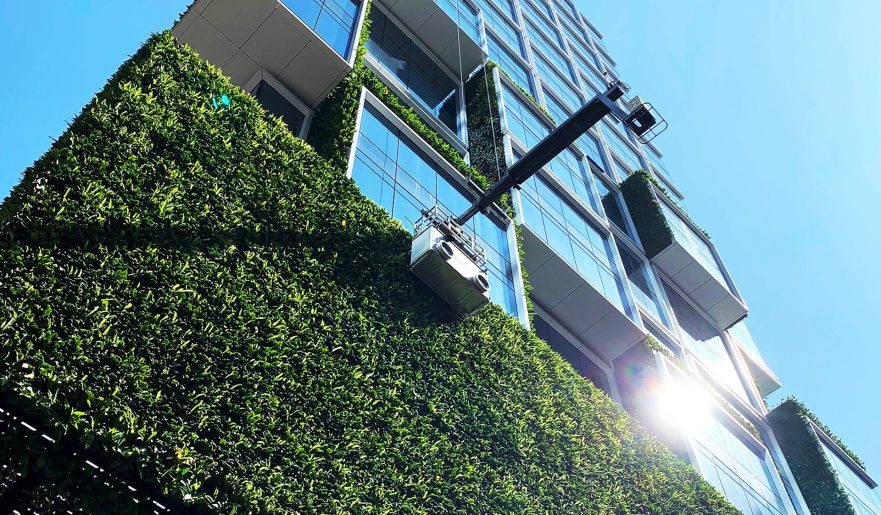
✓ Uses for Facade Access Systems: Interior/exterior access, window washing, maintenance, glazing replacement, inspections, fall protection
✓ Industry Regulations and Standards: OSHA 1910.66, ASME A120.1-2021, IWCA I-14.1, CA GISO Title 8, NY Industrial Code 21
✓ Types of Facade Access Equipment: Tieback anchors, lifelines, davits, monorails, self-powered platforms, powered platforms, BMUs, gantries
✓ Major Design Factors: 100% facade coverage, height thresholds, structural load, budget, ease of use, tenant impact
✓ System Selection and Planning: Equipment comparison matrix, height-based requirements (130/300/490 ft), early design considerations
✓ Real Project Examples: Application examples from actual high-rise projects demonstrating design integration
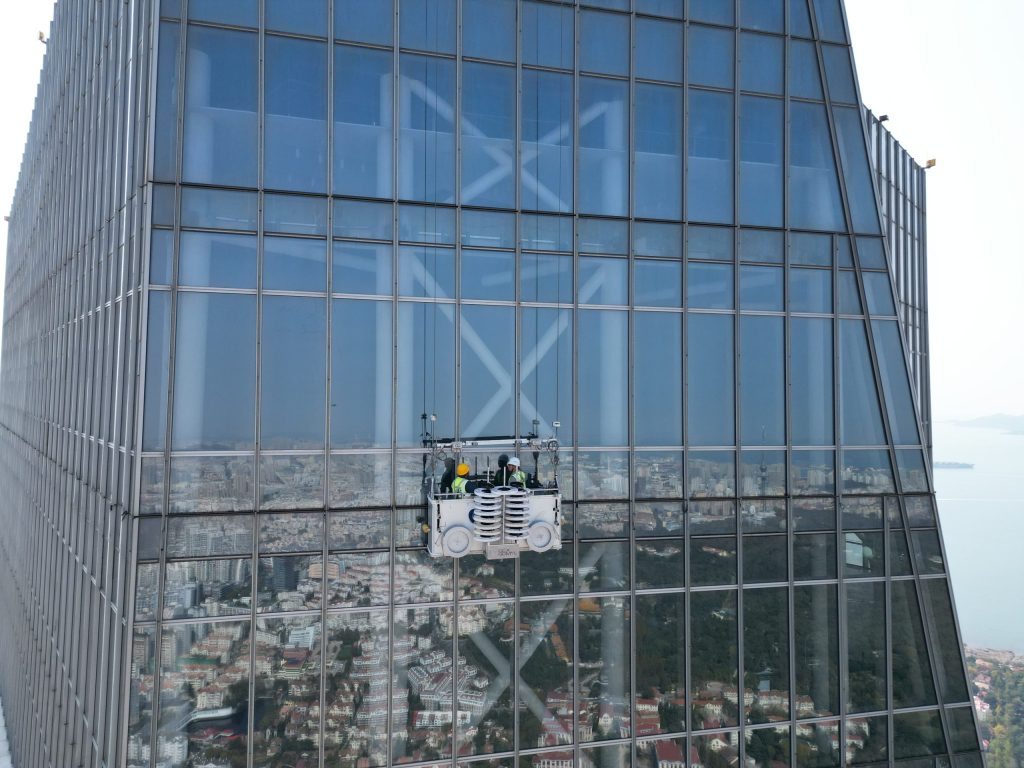
Learn how each system type serves different building heights, facade geometries, and maintenance programs.
5,000 lb ultimate load capacity for rope descent suspension.
Fall protection for low/no parapet areas. Roof, wall, or overhead.
Platform or safety line suspension. Low/high profile options.
Manual or electric-powered. Up to 1,250 lb per trolley.
2-line and 4-line systems with emergency descent capability.
Custom-designed. Track-mounted, 10-30 ft platforms, full building coverage.

Facade Access Solutions, part of Alimak Group, is the global leader in permanent facade access systems. Our instructors bring decades of field experience from the world’s most complex buildings.
Our façade access systems are installed in 12 of the world’s 13 tallest skyscrapers, with over 16,000 installations globally.
Schedule a complimentary Lunch & Learn for your firm, or register for the next virtual session.
Yes. Facade Access Solutions offers this course at no cost as part of our commitment to building safety education. No hidden fees for registration, attendance, or your Certificate of Completion.
Your attendance is reported directly to AIA CES by your instructor. For on-demand courses, credits are tracked through the CEU Events platform. You can also download the free CEU Events mobile app to manage your credits.
Absolutely. The course is open to all building professionals. Non-AIA members receive a Certificate of Completion upon request. It is also valuable for engineers, developers, facility managers, and construction professionals.
Yes. We offer complimentary Lunch & Learn sessions at your office or virtually. A convenient way for your entire team to earn CE credits together. Contact us to schedule.
The course covers federal OSHA regulations and national standards (ASME, IWCA) that apply nationwide. CA and NY state-specific requirements are covered in detail, but the core content is relevant for projects in any U.S. state.
Three formats: live in-person (Lunch & Learn), live virtual (webinar), and on-demand (self-paced through CEU Events). All formats award the same 1 AIA LU/HSW credit. On-demand participants must pass a short quiz.