APAC - English
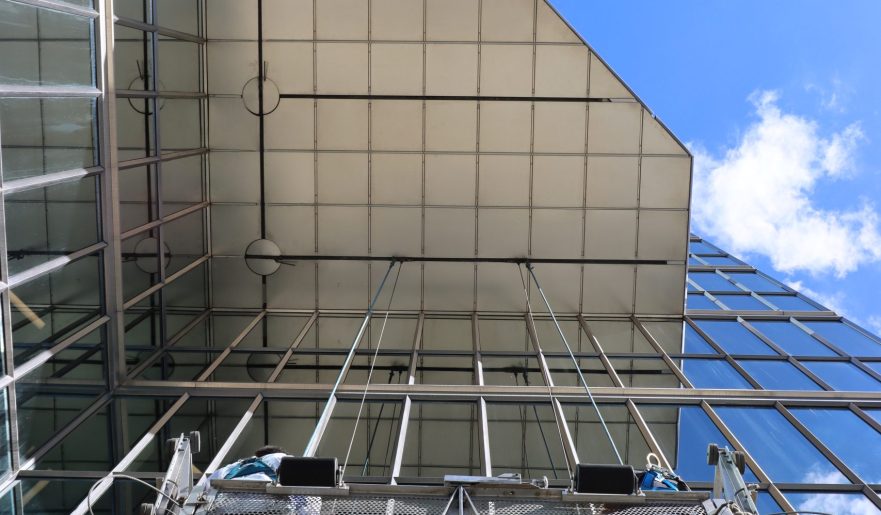
Facade Access Solutions supports building owners, developers and contractors across Singapore. Our Singapore teams design, supply, install and maintain permanent facade access solutions for high-rise towers and complex facades across the island. We stay with each project from the preliminary design stage to long-term after-sales service.
The Singapore skyline brings demands that few other markets share. Year-round humidity above 80 percent, intense equatorial UV, salt-laden coastal air, monsoon rains from November to January and seasonal haze push facade access equipment to its limits.
Our high-rise building maintenance solutions are engineered for reliable performance in Singapore’s demanding conditions. Every project is backed by the global engineering expertise and proven installed track record of Alimak Group.



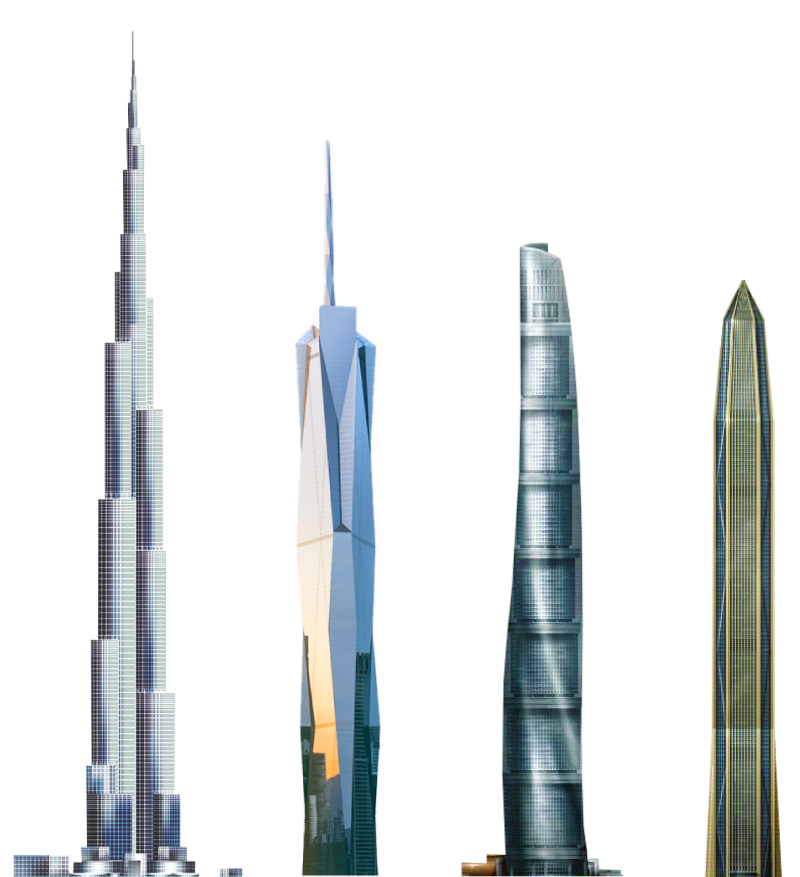
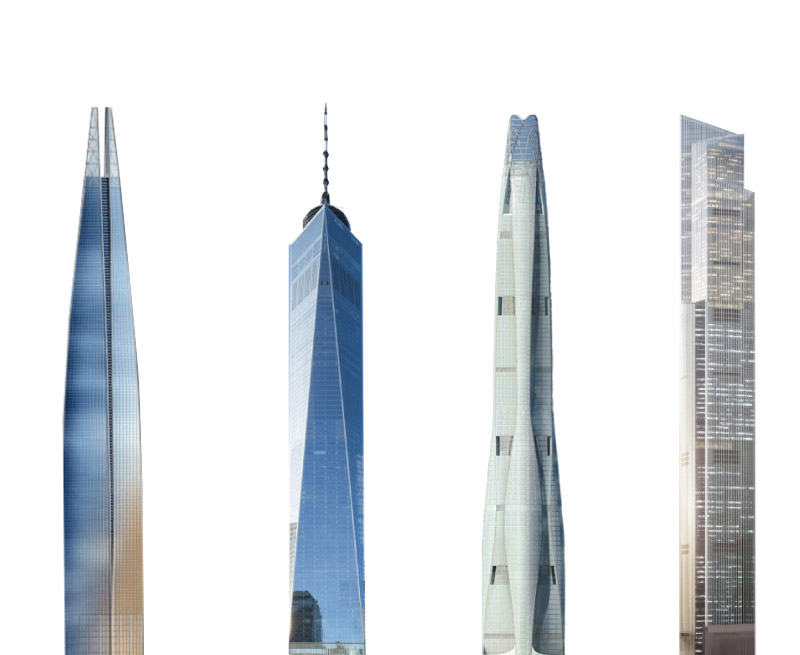
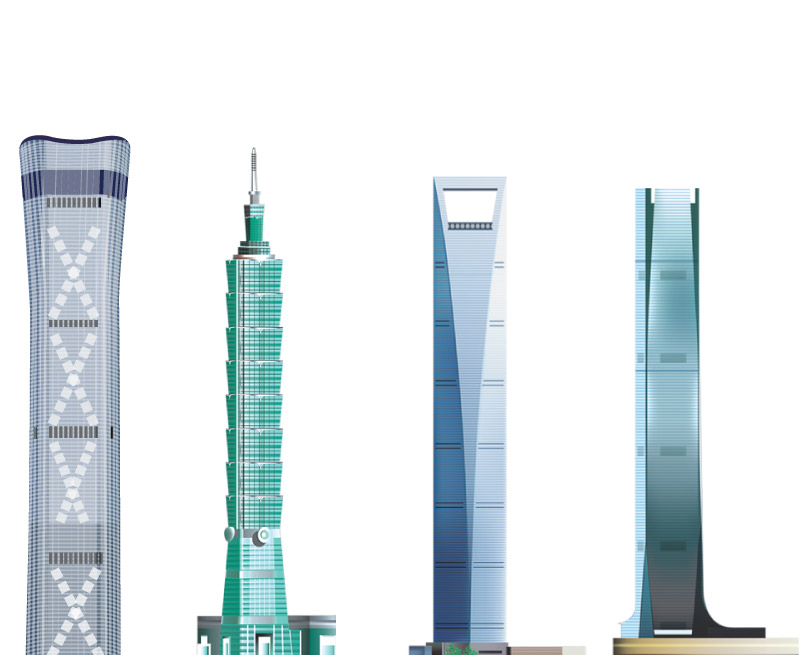

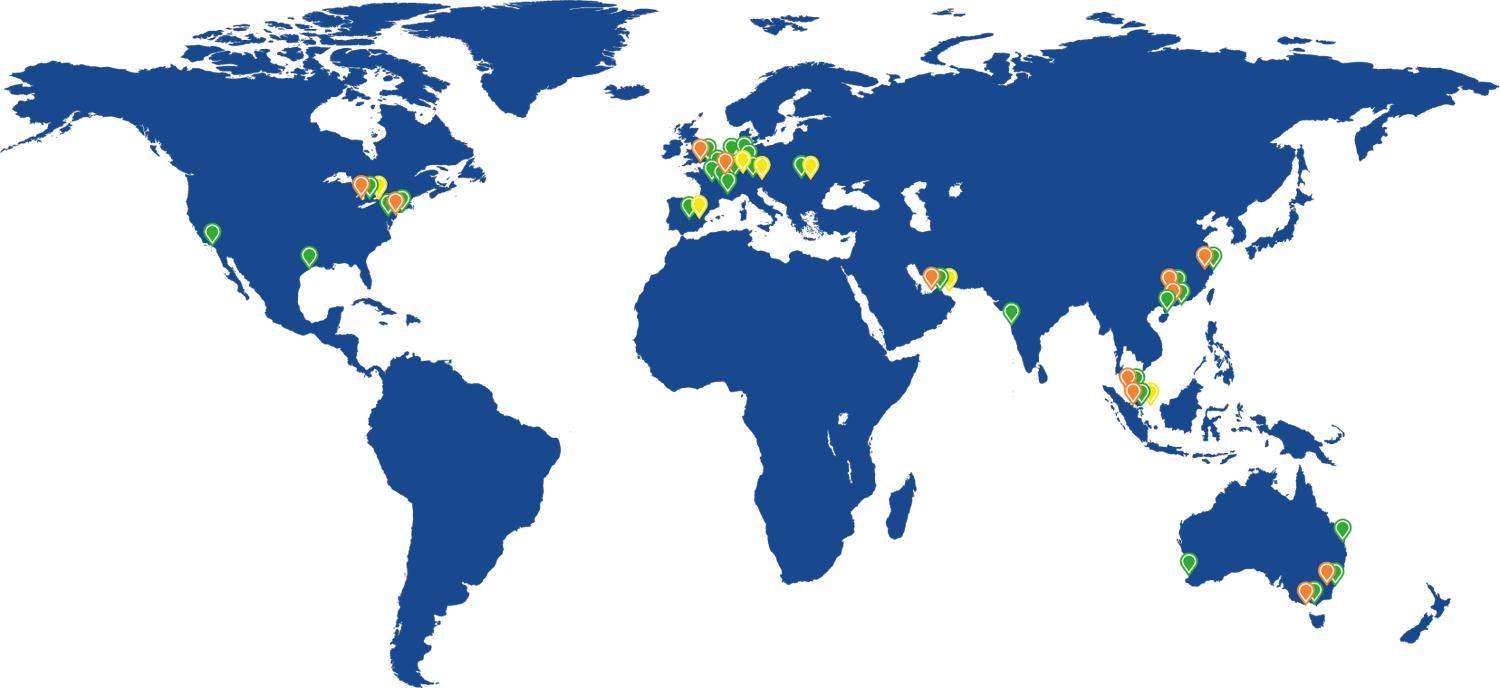
Our product range covers permanent access and height safety solution systems for buildings of every height. We draw on the Tractel, Manntech and CoxGomyl brands to match the right system to each facade.
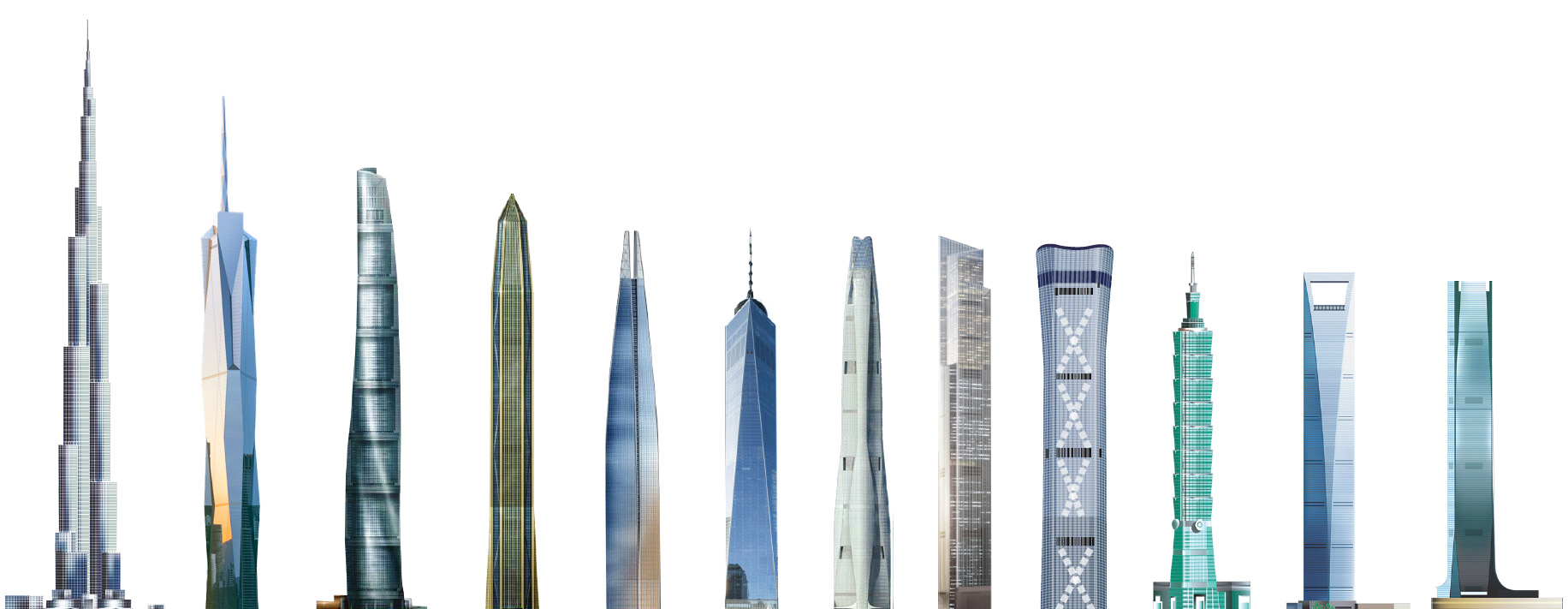
Building Maintenance Units travel along the roof to provide safe, repeatable access across large facades. Each BMU is engineered to the building geometry and roof load. In Singapore, where curved curtain walls, cantilevered sky terraces, and supertall heights are common, our BMUs reach every corner of the envelope while resisting humidity and salt corrosion.
Our davit systems suit smaller roofs and intermittent access needs. They transfer working loads safely into the building structure. Many boutique hotels, conserved shophouse refurbishments and mid-rise commercial blocks rely on davits as a cost-efficient permanent solution for rooftop access.
A monorail carries a cradle along a fixed track for atria, soffits and recessed facades. Railscaf adds a flexible track-based option for harder geometries. Mall atria, integrated mixed-use podiums and the underside of sky terraces often use monorail systems to reach areas that a roof-mounted BMU cannot access.
Tiebacks and lifelines give rope-access and fall-protection anchors for facade work. They support safe access where a full machine is not required. Rope access teams remain common across buildings in Singapore, and our anchor systems are specified to handle corrosion loads in the humid, salt-air island climate.
Our powered platforms run on permanent guide rails for steady vertical travel. They give reliable access on tall, repetitive elevations. On supertall residential and hotel towers, powered platforms keep maintenance cycles short and predictable across thousands of square metres of glass.
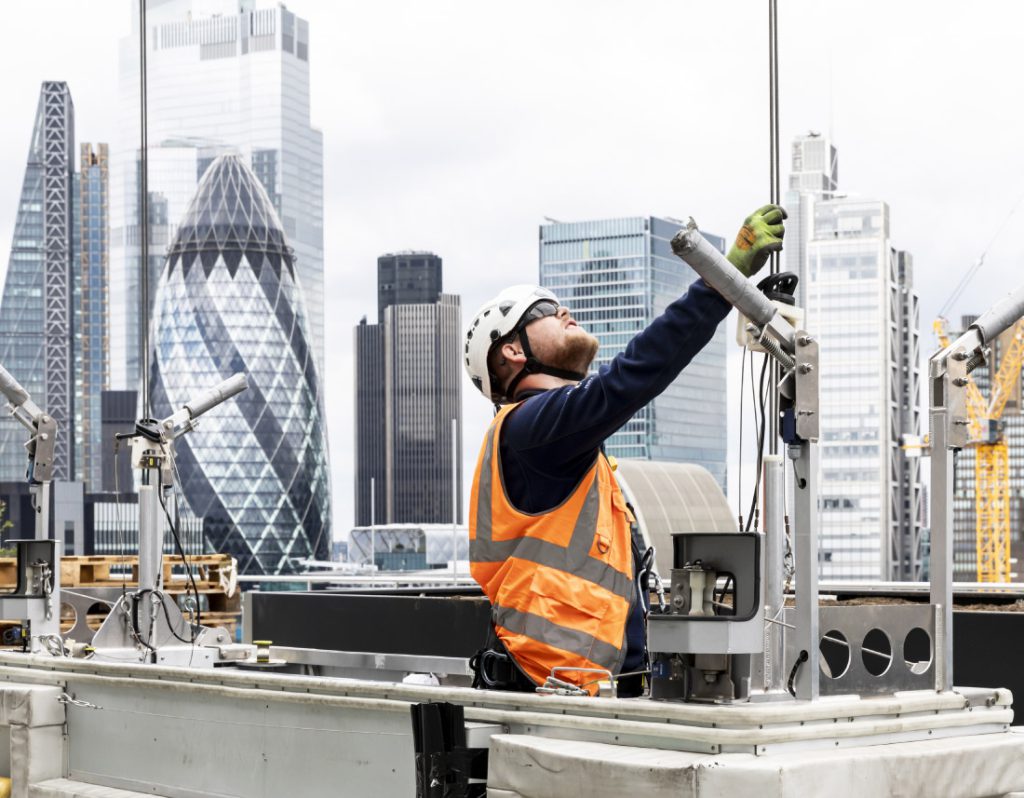
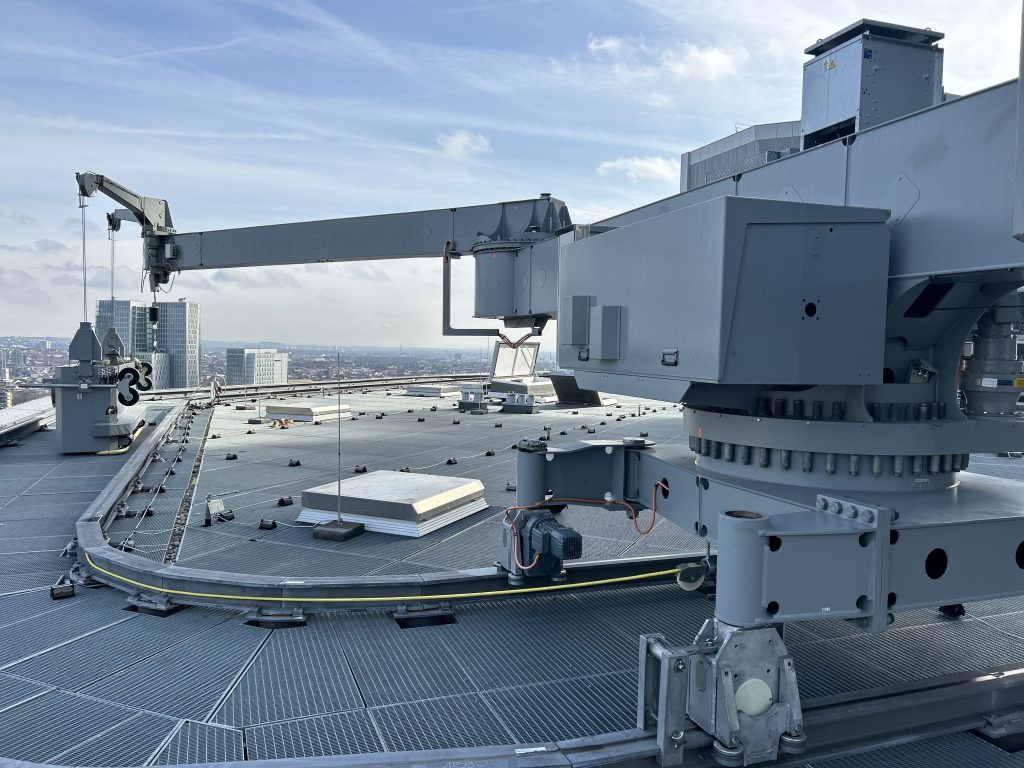
We support a building across its full life. Our solutions cover new towers, design-stage planning and upgrades to existing systems.
For new construction, we design and install facade access systems that fit the architecture from day one.
Our integrated design services bring access planning into the early design phase. This keeps systems compliant and hidden within the building line. On signature Singapore towers, early integration also addresses wind loads at altitude, sky garden access and roof crane runways before they become site problems.
Our retrofit services add to or upgrade access systems on existing buildings without disrupting tenants. Many first-generation high-rises now need a second-life solution as original equipment reaches the end of its service life. This is also a practical route for buildings preparing for their Periodic Facade Inspection (PFI) cycle under BCA rules. Beyond facades, we also deliver infrastructure access solutions for bridges, tunnels and nuclear facilities across the Asia-Pacific region.
Our services keep access systems safe, compliant and ready to use. We service our own equipment and systems from other manufacturers.
Our service solutions cover planned maintenance and call-outs to keep systems running.
Our inspection, safety and compliance service checks systems against Singapore codes and international standards, including SS CP 20/1999, BCA building safety rules and Workplace Safety and Health Act (WSH) requirements set by the Ministry of Manpower.
Our refurbishment solutions extend the lifespan of aging BMUs and platforms by replacing components and controls. This is a practical route for older Singapore towers approaching their PFI inspection window without a full system replacement.
Genuine OEM spare parts keep older systems reliable and compliant.
Our asset management service tracks inspection records and service history in one place. With Singapore’s PFI regime requiring documented inspection cycles every seven years, this kind of central record-keeping makes audit and renewal far simpler.
Our training prepares operators and competent persons to use systems safely.
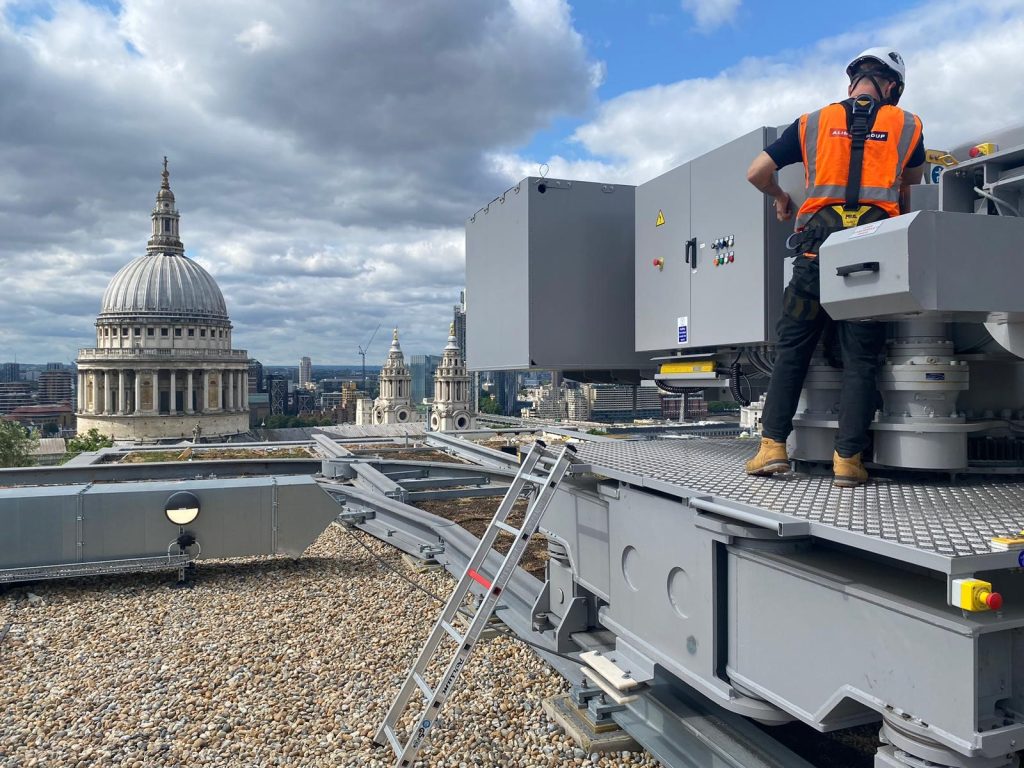
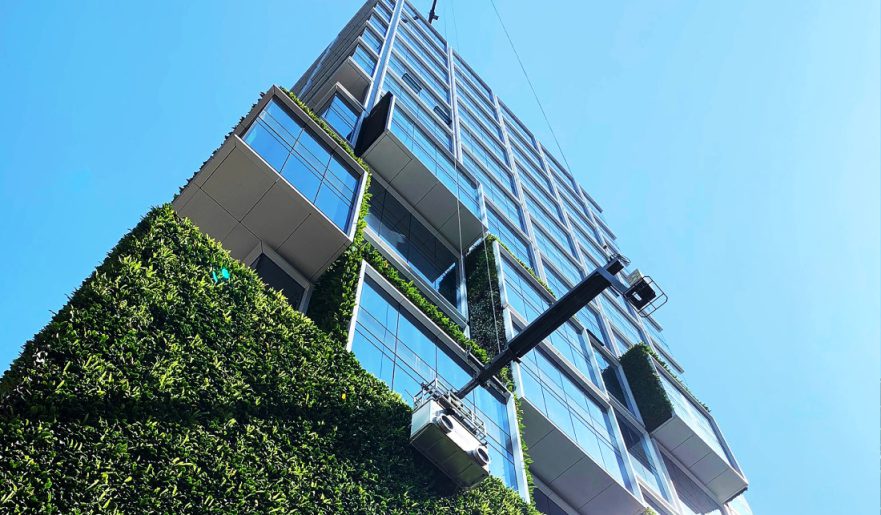
Facade Access Solutions in Singapore delivers BMUs and access systems supported by local engineering, project management, and after-sales service teams. We support projects from early design coordination through to installation and ongoing maintenance. Our team works closely with consultants, contractors, and building owners to deliver safe and compliant access solutions.
Backed by more than 120 years of combined industry experience, 16,000+ installed machines worldwide, and over 300 projects delivered annually, we combine proven global engineering capability with dedicated local support.
Through Tractel, Manntech, and CoxGomyl, clients gain access to a broad portfolio of facade access systems through one team. This allows us to recommend solutions based on building requirements, maintenance strategy, and long-term operational performance. Every system is backed by the engineering and manufacturing strength of Alimak Group.
We support new construction, retrofitting, inspections, and ongoing service for facade access systems.
Permanent facade access equipment in Singapore typically follows SS CP 20/1999 and EN 1808:2015, which call for an annual load test, a thorough six-monthly inspection and quarterly visual checks by a competent person. Singapore also enforces the Periodic Facade Inspection (PFI) regime under Section 28D of the Building Control Act, which requires facade inspections every seven years for buildings taller than 13 metres and older than 20 years from Temporary Occupation Permit (TOP). A summary of the codes, regulations and standards that apply to permanent access systems is available on our website.
Key references include SS CP 20/1999 for permanent access equipment, EN 1808:2015 for suspended access equipment and EN 795 for anchor devices. The Building Control Act, BCA Periodic Facade Inspection regime, the Workplace Safety and Health Act 2006 and TR 78:2020 for drone-based facade inspections also apply. IRATA International guidance covers rope-access operations.
Yes. Our Singapore service teams maintain and inspect systems from many brands. Genuine spare parts and refurbishment keep older units safe and compliant.
Yes. We bring access planning into the design stage so that systems stay compliant and well-integrated. For Singapore projects, that includes wind load, humidity exposure, sky garden access and roof crane runways from the first drawing.
Our equipment is built to handle the heat, humidity, monsoon rain and salt-air loads typical of Singapore and the tropics. We specify corrosion-resistant materials, sealed control systems and protective coatings that withstand intense UV exposure and tropical storms. Local service teams also adjust maintenance intervals to suit each building’s exposure profile.