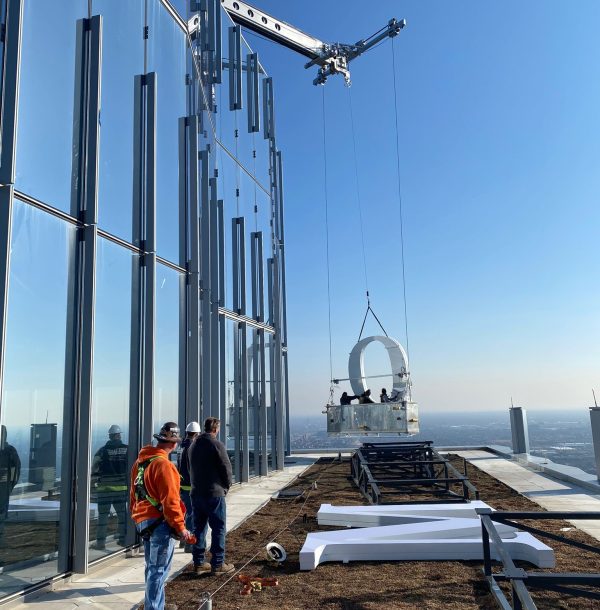
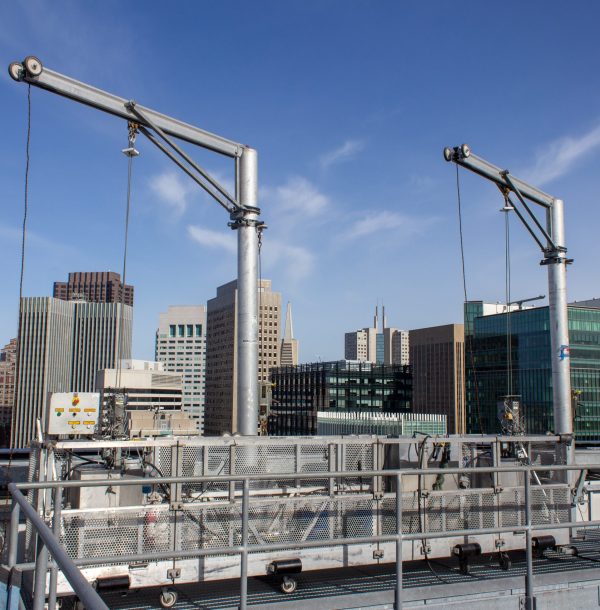
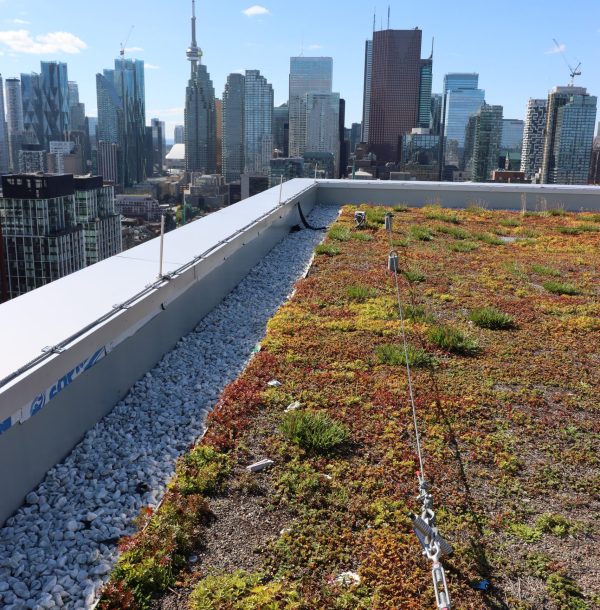
Tiebacks and lifelines provide the foundation for safe facade access. These anchor systems secure outrigger systems, lifelines for use on suspended platforms, and other building maintenance equipment to the structure, while also protecting workers from falls. Each tieback anchor is designed and tested to resist forces applied in wood, concrete, or steel, giving confidence during every project.
Facade Access Solutions supplies tieback anchors with a rated capacity of 5,000 lbs. in any direction, meeting OSHA regulations and ANSIsafety codes. Lifeline systems add continuous fall protection, supporting horizontal and vertical movement during rooftop maintenance work. Together, tiebacks and lifelines form a complete safety system that supports both new construction and retrofit projects.
Tieback anchors are critical parts of facade access systems. They secure suspended equipment like window washing stages, suspended platform rigging, and other fall protection equipment to wood, concrete, and steel structures. Built for safety and tested capacity, these anchors deliver reliable performance across new construction and retrofit projects.
Mounting options for tieback anchors include bolt-through, welded, embedded, and chemical adhesive connections. Each method is engineered for specific roof and wall conditions. The right mounting option depends on the building structure and the load requirements of the installed system.
Installed directly into structural wood, concrete roof slabs, or steel, roof tieback anchors provide a strong connection for suspended platform rigging. Load testing through proof loads verifies capacity in accordance with OSHA regulations, making this a cost-effective solution for rooftop maintenance and window cleaning operations.
When roof installation is not practical, wall-mounted anchor systems provide safe and durable anchor points. They connect fall protection systems and outrigger systems directly to the building wall, supporting facade work and other suspended maintenance operations. Each anchor is tested for resistance, delivering long-term durability and safety on site.
Flush tieback anchors sit level or below the roof surface, creating anchor points without visible hardware. This makes them suited for projects where appearance and safety must both be met. These anchors are commonly installed using cast in place anchors or bolt-through methods. They deliver compliance and reliability for BMUs and facade access systems.
As part of the Alimak Group, Facade Access Solutions delivers tieback anchor and lifeline systems backed by decades of engineering experience. Our connection to recognized global brands gives us the technical depth to support projects of any size, while our North American focus means every anchor system is designed with OSHA and ANSIsafety codes in mind.
From the United States to Canada and Mexico, our team provides safety equipment that is tested, certified, and supported with ongoing services. Clients rely on us for complete specifications, project details, and installation expertise that make complex jobs straightforward and safe.
Choose proven anchor systems with local support from an industry leader recognized worldwide.
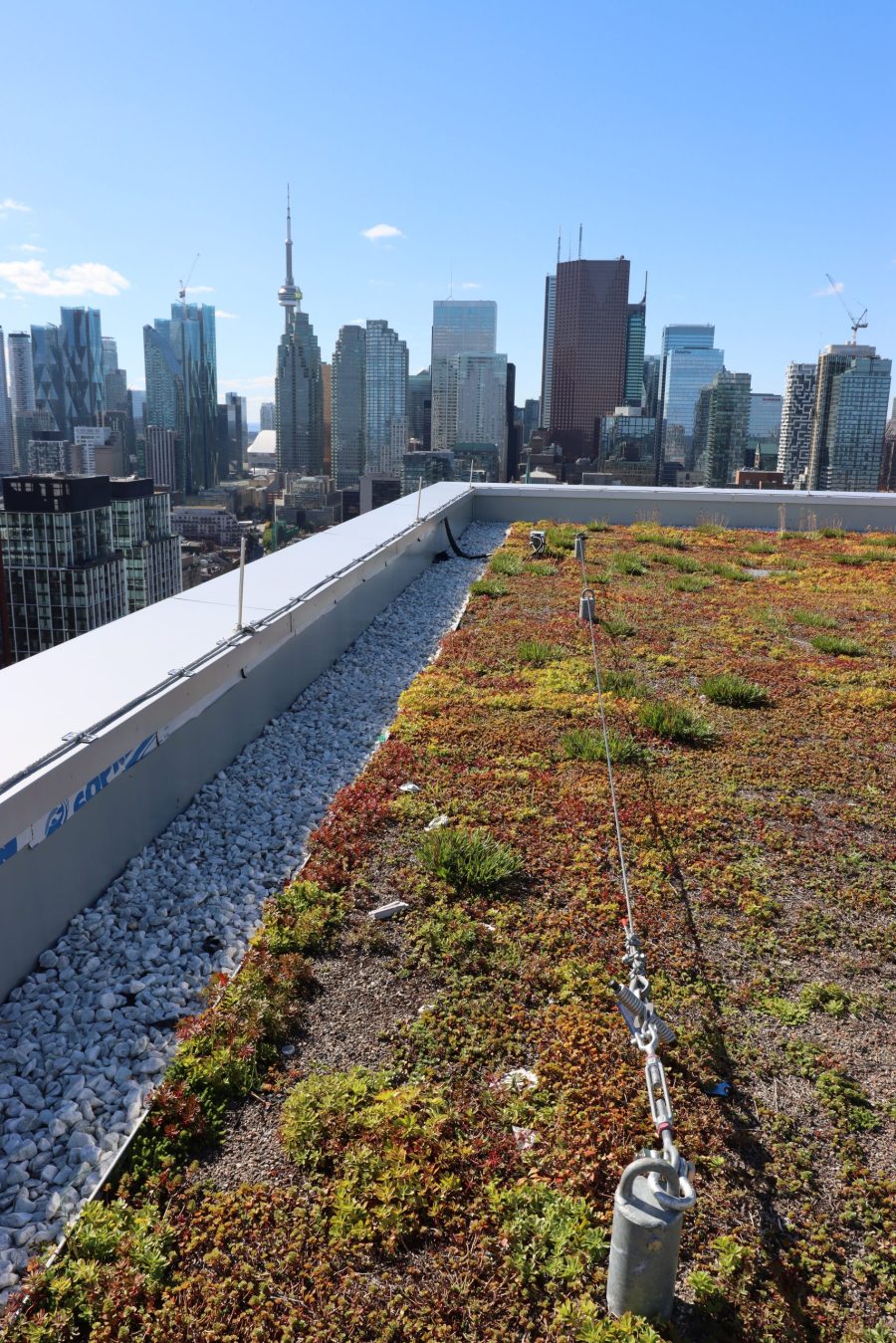
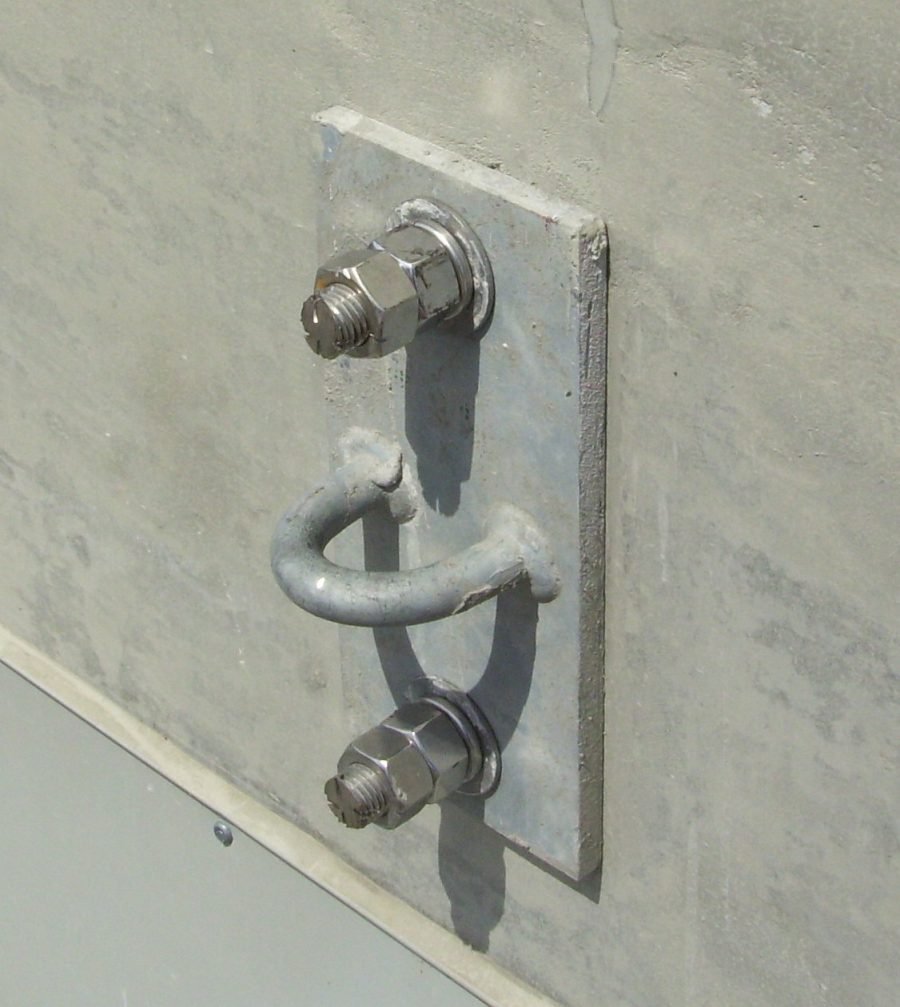
A tieback anchor provides a secure anchor point for suspended platforms, BMUs, and other facade access systems. Anchors resist applied forces in wood, concrete, or structural steel, creating stability for suspended equipment and fall protection systems. Tieback anchors are specifically designed to secure suspended equipment, such as window-washing stages, providing a high-strength, permanent attachment point on the roof for safe building maintenance operations.
Anchors undergo load testing through proof loads, where controlled tension is applied to confirm anchor capacity. Test values are measured against specifications such as installation torque, bond length, and structural resistance. This performance testing process verifies that the anchor can safely support suspended platforms and fall-protection systems on-site.
Yes. Vertical lifelines, horizontal lifelines, and self-retracting lifelines can be added to retrofit projects. These fall arrest systems are commonly installed on roofs or walls to create safe anchor points for workers. Each installation is reviewed for compliance with OSHA and North American standards. The installed system is inspected and documented before handover.
Tiebacks and lifelines require periodic inspections, typically on an annual basis. Systems should also be reviewed after major construction, equipment replacement, or extreme weather. Regular services confirm capacity, test resistance, and add compliance records, keeping the equipment safe and reliable for decades of use. Anchors showing signs of permanent deformation or ground movement damage must be removed from service and replaced.
Yes. Tieback anchors and lifeline systems provide a long-term safety solution that reduces liability and supports efficient facade access. Built with durable connector rods, bolts, and accessories, these anchor systems are designed to resist tension and movement. They are ideal for both new construction and retrofit projects.
OSHA requires that each fall protection anchor point support a minimum of 5,000 pounds in any direction for each worker attached. Anchors used for window washing, facade work, and other suspended maintenance operations must meet ANSI/IWCA I-14.1 and applicable safety codes. Installation torque and load testing records must be maintained. Annual inspections by a Competent Person are required, with a 10-year recertification recommended.
Tiebacks and lifelines from Facade Access Solutions NAM are supported with complete technical documentation. BIM files and technical sheets are available for architects, engineers, and contractors to review during the design stage. Specifications cover anchor capacity, embedment depth, boltand rod size, installation torque, and bond length.
All tieback anchors are proof tested in accordance with OSHA and North American safety codes. Details include resistance values in concrete roof slabs and structural steel. Our team provides references, accessories, and anchor system requirements for each project, making it easy to select the right equipment.
Facade Access Solutions provides complete services for tiebacks and lifelines, from project review to on-site installation. Each anchor system is fully designed to meet specific job requirements and tested to confirm capacity under applied loads. Our team manages installation torque, bond length, and load testing so every tieback anchor meets OSHA standards.
Support does not stop after installation. We provide inspection, recertification, and maintenance services to keep anchor systems compliant and reliable for decades of use. With experience across North America, our specialists are an industry leader in construction projects. We make it easy for building owners and contractors to maintain safe facade access systems.