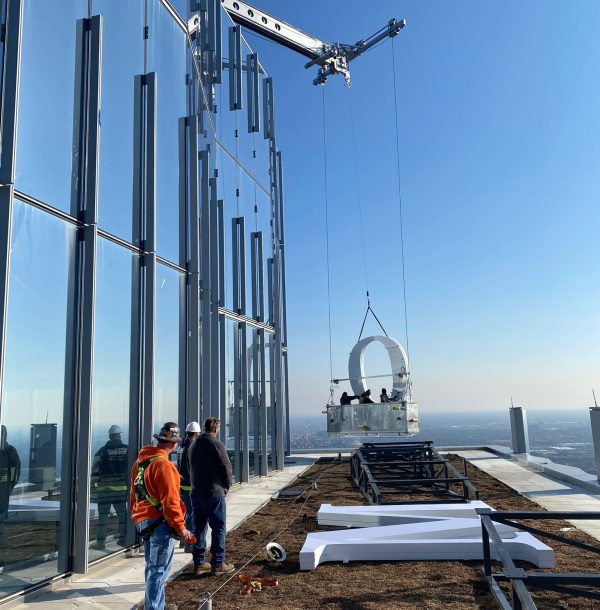
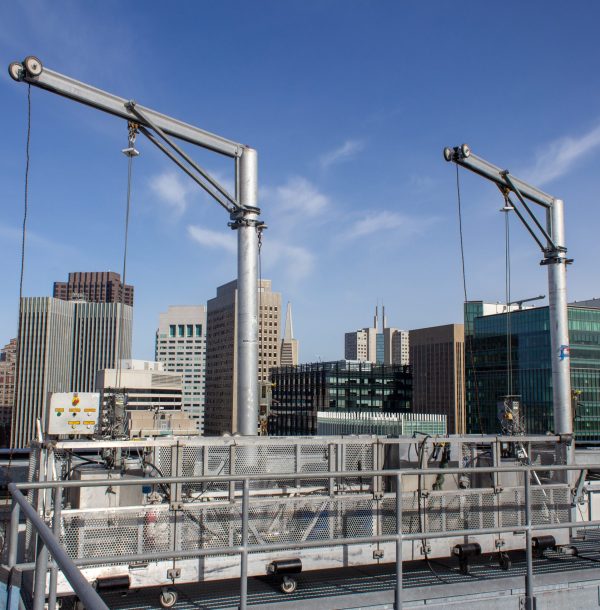
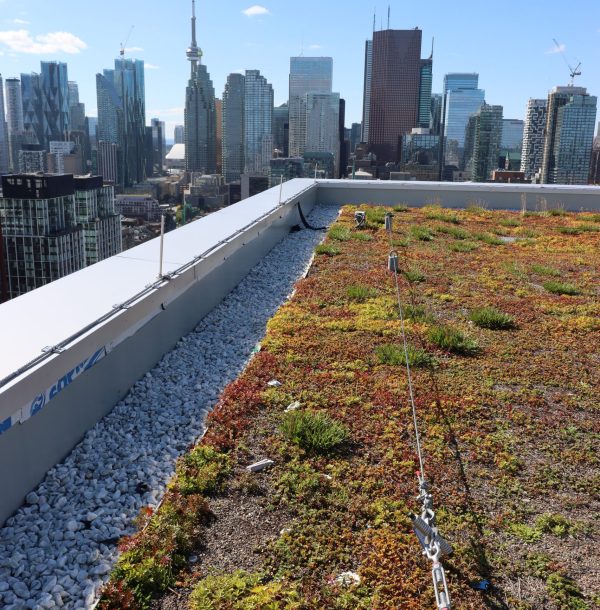
Tiebacks and lifelines serve as the primary framework for reliable and safe facade access. These critical systems anchor outrigger setups, lifelines for suspended platforms, and various facade maintenance systems to the structure while ensuring worker protection against falls. Every anchor point is precisely engineered and validated to withstand forces across concrete, structural steel, or wood, providing steady performance for every APAC Region project.
Facade Access Solutions provides tiebacks featuring a rated capacity of 5,000 lbs in all directions, adhering to local safety codes and regional industry benchmarks. Horizontal lifeline and vertical lifeline systems offer uninterrupted fall protection, facilitating fluid movement during maintenance tasks. Combined, these tiebacks and lifelines offer an integrated height safety system for both existing facade access retrofit projects and new construction developments.
Tieback anchors are indispensable components within facade access equipment. They firmly attach suspended platforms, outrigger configurations, and fall protection gear to structural steel, concrete, or wood. Built for maximum safety and tested for structural integrity, these height safety anchor solutions provide trustworthy performance for all project phases, including modernizations and new builds.
Secured directly into the steel, concrete, or wood of the building, roof-mounted tieback anchors offer stable connection points for rigging suspended platforms. Comprehensive proof testing validates both capacity and compliance with regional regulations, delivering a cost-effective and streamlined solution for facade maintenance access solutions.
In scenarios where roof placement is not feasible, wall-mounted systems provide secure and resilient anchor points. These configurations attach outrigger systems and fall protection equipment directly to the building facade, supporting efficient and safe facade access maintenance. Every anchor undergoes rigorous load resistance testing to ensure long-term site safety and reliability, often integrated with a permanent static line for constant security.
Flush-mounted anchors are designed to sit below or level with the roof surface, offering discrete attachment points without protruding hardware. These are perfect for projects where visual aesthetics and safety are equally prioritized, ensuring reliable performance, compliance, and integration with facade access BMUs.
As a member of the Alimak Group, Facade Access Solutions provides tieback and lifeline systems supported by extensive regional engineering knowledge, featuring world-class brands like Tractel, Manntech, and CoxGomyl. Our specialists offer the technical proficiency required to manage projects of any magnitude, delivering safety equipment designed to satisfy the most demanding standards.
Our regional team delivers safety hardware that is certified, tested, and accompanied by full-service support. Clients trust us for expert installation, height safety consultation, and precise specifications that simplify even the most intricate safety requirements. Partner with a leader in facade access solutions for proven safety systems and regional support.
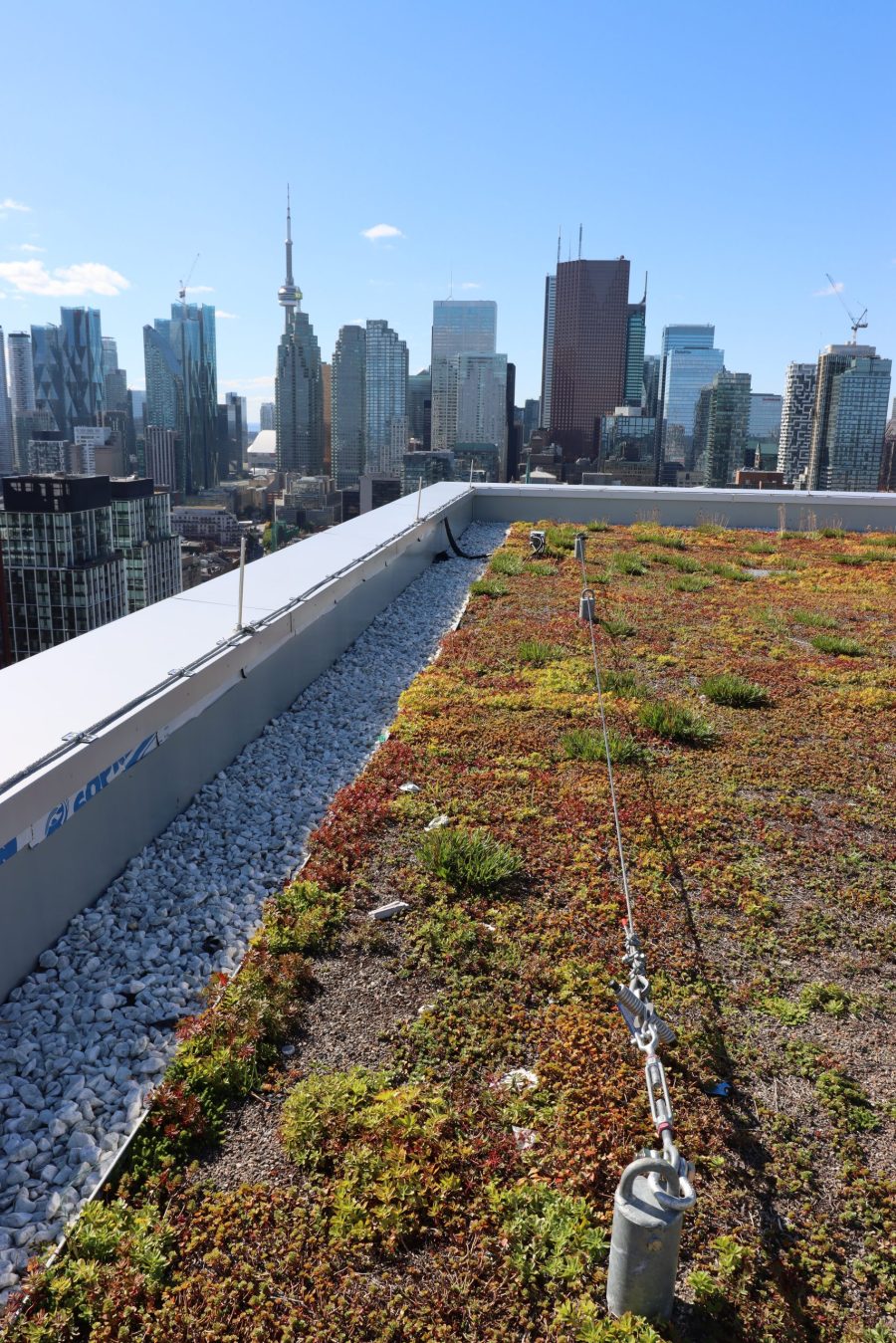
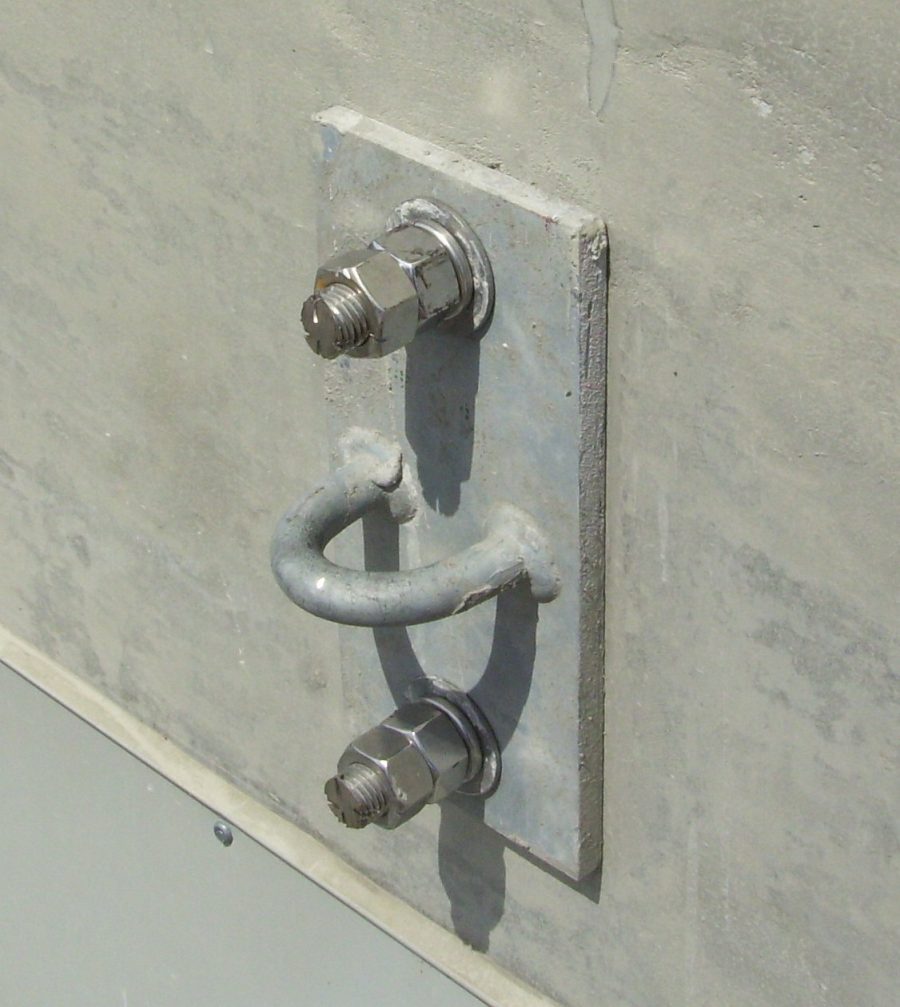
A tieback anchor acts as a fixed height safety anchor for facade access systems and suspended platforms. These components are engineered to resist forces applied to structural steel, concrete, or wood, maintaining equipment stability and protecting workers during maintenance and construction.
Anchors are subject to proof testing where controlled tension is applied to verify performance and the Safe Working Load (SWL). Each evaluation checks bond length, installation torque, and structural resistance to confirm the system is safe for fall protection and suspended platforms.
Yes. Vertical lifeline, horizontal lifeline, and self-retracting lifelines can be integrated into facade access retrofit projects. These systems are typically fixed to walls or roofs to establish safe worker anchor points and are audited for compliance with regional and international safety requirements.
Tiebacks and lifelines require periodic height safety inspection, generally once per year, or following significant events like severe weather, equipment adjustments, or construction. Routine access equipment maintenance validates resistance, confirms load capacity, and ensures continuous system compliance.
Yes. These systems represent a durable investment in efficiency and safety, minimizing liability while enabling seamless commercial facade access. Manufactured from high-strength bolts, rods, and specialized accessories, they effectively resist movement and tension for retrofits and new builds alike.
Facade Access Solutions supplies a full suite of technical data for lifelines and tiebacks, including detailed specification sheets and BIM files for facade access consultants, engineers, and architects. These materials provide data regarding rod size, embedment depth, anchor capacity, bond length, and installation torque to assist in facade access design.
All anchors undergo proof testing in alignment with regional safety protocols, featuring specific resistance data for structural steel and concrete. Our team assists every project with system requirements, accessories, and references to ensure the selection of compliant and accurate equipment.
Facade Access Solutions delivers end-to-end support for lifeline and tieback installations, ranging from initial facade access consulting to final on-site setup. Every anchor is verified for capacity under load, with proof testing and installation torque overseen by professional technicians to satisfy safety standards.
Our partnership continues well beyond the initial installation. We offer recurring height safety recertification, maintenance, and height safety inspection services to guarantee long-term compliance and reliability. With broad experience across the APAC Region, our experts simplify the process for building owners to maintain efficient and safe facade access solutions.