Global Site - English
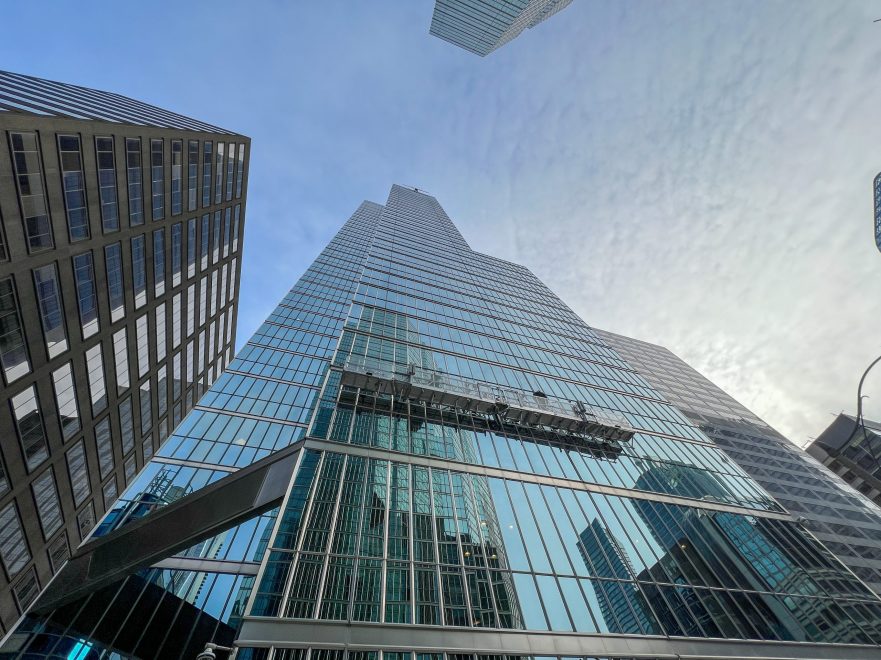
Courthouses, parliament houses, museums, and performing arts centers present unique access challenges. Ornate stonework, glass curtain walls, domed roofs, and historically protected materials all limit how and where a facade access system can be installed. Public foot traffic and strict security zones add further complexity. Without a purpose-built facade cleaning access system, facility managers rely on temporary scaffolding or rope access.
Our team engages from the earliest design stages to integrate permanent access equipment into the building structure. Early involvement from a facade access consultant prevents costly structural modifications later and provides full facade coverage from the start. We design, manufacture, install, and maintain every system we deliver, reducing lifecycle costs and giving building owners a single point of accountability across the full equipment lifespan.
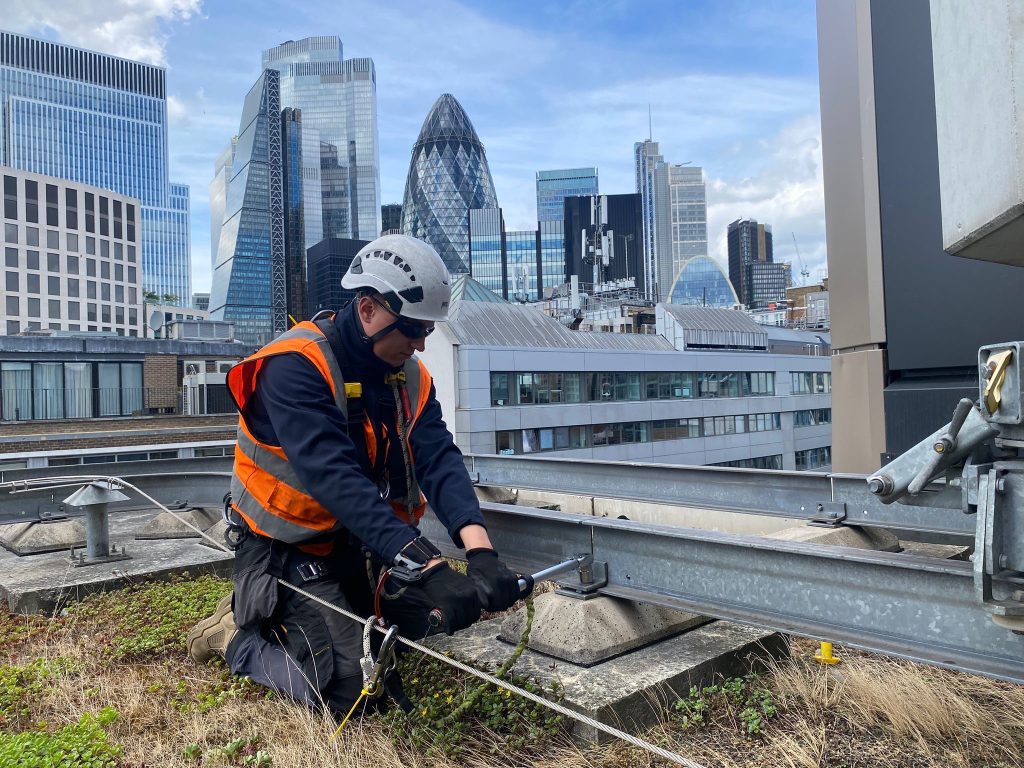
From fully custom building maintenance units to davit systems and powered platforms, Facade Access Solutions delivers the full range of facade access equipment needed to maintain these high-profile structures safely and efficiently.
Complex rooflines, domed structures, and irregular setbacks make standard access equipment impractical on government and cultural buildings. Our building maintenance units are engineered to reach every facade surface while remaining fully concealed when parked. From compact track-mounted systems to fully custom configurations, each BMU is designed around the specific geometry and structural capacity of the building.
Limited rooftop space is common on government buildings due to HVAC systems, security infrastructure, or heritage restrictions. Davit systems deliver reliable facade access using portable arms mounted on permanent bases, making them practical for buildings where a full BMU is not feasible. The mast lowers out of sight after each use, preserving the building’s visual profile.
Interior atriums, glass canopies, and covered galleries found in museums and cultural centers need specialized access. Monorail and railscaf systems provide safe, guided movement along fixed tracks for interior and exterior glazing maintenance. These systems blend with the building’s architecture and require minimal storage space.
Fall protection on public buildings is non-negotiable. Our tieback anchors and horizontal lifeline systems are designed to meet OSHA, ANSI, BS EN 795, and regional safety codes. They support both suspended platform operations and personal fall arrest systems, giving maintenance crews safe anchor points across the full building envelope.
For low- to mid-rise government and civic buildings, powered platforms offer a modular, cost-effective access option. Platform sections configure to different lengths to match facade variations. Corrosion-resistant construction and integrated safety controls provide decades of reliable service with minimal maintenance overhead.
Facade Access Solutions offers a full scope of project delivery options from early-stage design consulting through to retrofit engineering for aging structures. Our solutions are designed to align with government procurement timelines and public-sector compliance standards.
Integrating facade access systems during the design phase prevents costly retrofits and structural modifications after the building is complete. Our engineers collaborate with project architects and structural consultants to plan BMU placement, track routing, and anchor points before construction begins. This new construction approach reduces total project cost and avoids compromises to architectural intent.
Our integrated design services team provides BIM-compatible models, structural load analysis, and full system specifications from concept through construction documentation. Early-stage collaboration helps architects preserve design intent while meeting all facade access and fall protection requirements for government and cultural projects.
Many older government buildings and heritage-listed cultural venues were constructed before modern facade access standards existed. Our retrofit services team designs and installs access systems that comply with current safety codes without compromising the original structure. This includes structural assessments, load calculations, and custom equipment engineered for constrained rooftop conditions.
Beyond building facades, government agencies often manage bridges, tunnels, and other public infrastructure requiring permanent access for inspection and maintenance. Our infrastructure access solutions extend the same engineering rigor to these structures, with specialized systems for undercarriage gantries, pylon maintenance, and confined-space access.
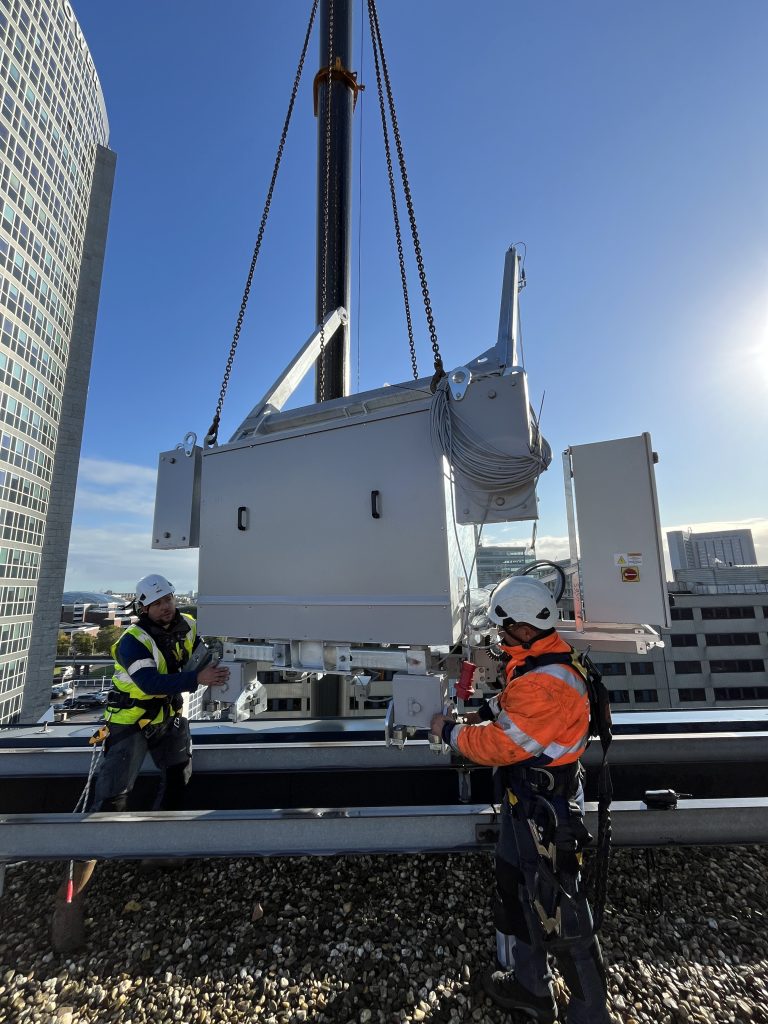
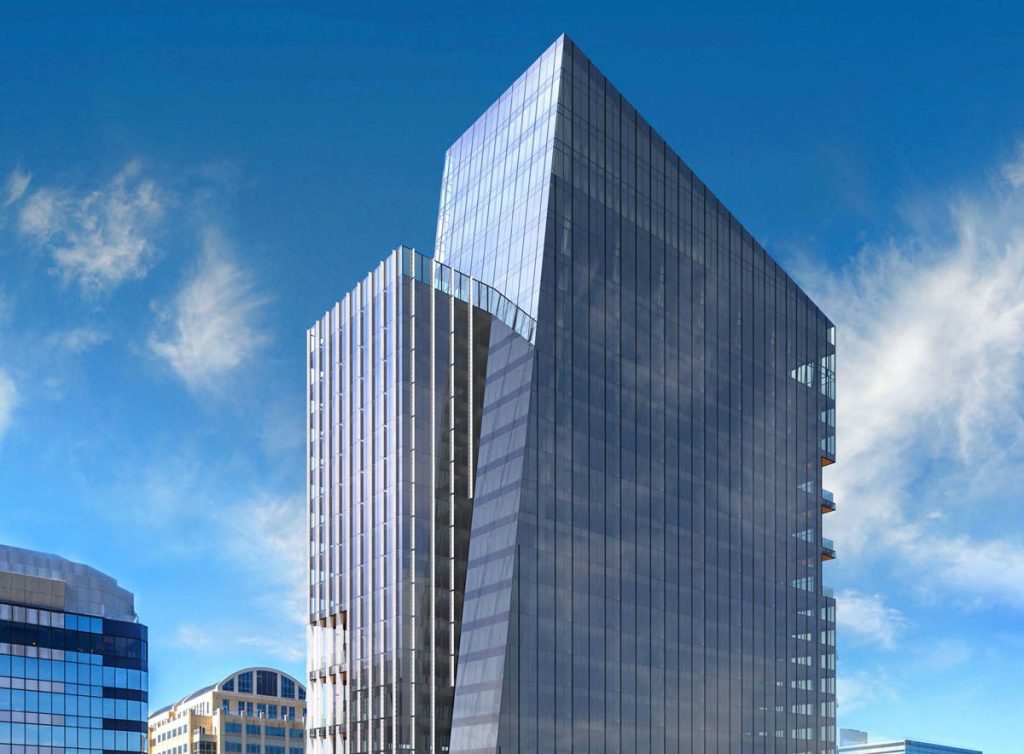
Facade Access Solutions provides full lifecycle service support through factory-trained technicians and structured service agreements that align with government budget cycles and public-sector reporting requirements.
Our factory-trained technicians deliver scheduled maintenance, emergency repairs, and ad-hoc callouts for all types of facade access equipment. Service agreements can be structured to suit government procurement cycles and annual budget allocations, from single-visit callouts to comprehensive lifecycle service plans.
Regular inspections keep facade access equipment operational and compliant with applicable codes. Our inspection programs cover mechanical condition assessments, safety device testing, wire rope evaluation, and the documentation required by OSHA, BS EN 1808, and local building authorities.
Aging access systems on government and cultural buildings can be refurbished to extend service life and meet current safety standards. Refurbishment is often a fraction of the cost of full replacement and can be completed with minimal disruption to building operations.
Genuine spare parts from Tractel, Manntech, and CoxGomyl protect your investment and maintain equipment performance. Non-OEM components may compromise safety ratings and void manufacturer warranties, creating unnecessary liability for building owners and operators.
Our asset management programs track equipment condition, service history, and lifecycle costs across your entire access system portfolio. This is especially valuable for government facility managers who require clear documentation for audit reporting and capital budget planning.
Operator training supports the safe use of building maintenance units, davit systems, and fall arrest equipment. Programs are available for maintenance staff, operators, and site managers. Training can be delivered on-site or at our regional facilities.
Facade Access Solutions has delivered access systems for some of the world’s most architecturally significant government and cultural buildings.
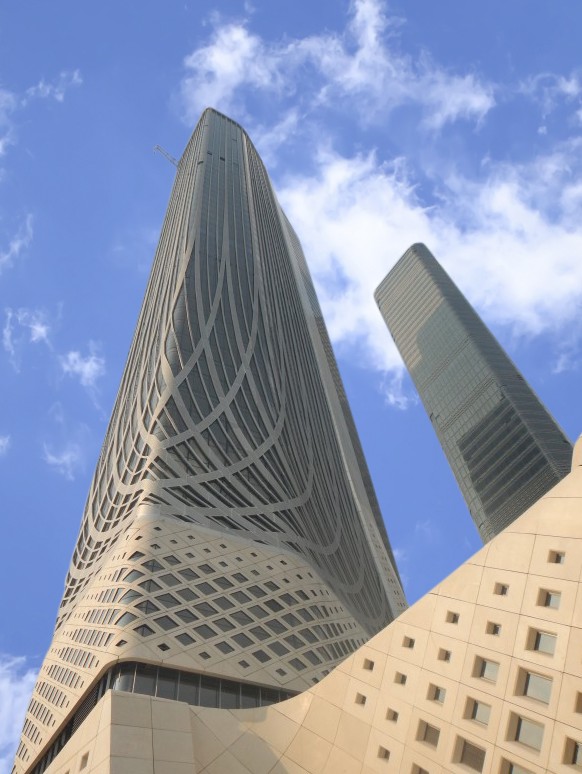
System Type: 4x Custom Roof-Mounted BMUs
Designed by Zaha Hadid Architects, this twin-tower cultural complex features a facade composed of glass curtain wall panels, glass-fiber reinforced concrete, and perforated aluminum panels. CoxGomyl engineered custom BMUs to serve the curved, tapering facade geometry across both towers and the shared podium, which contains a conference center and concert hall.
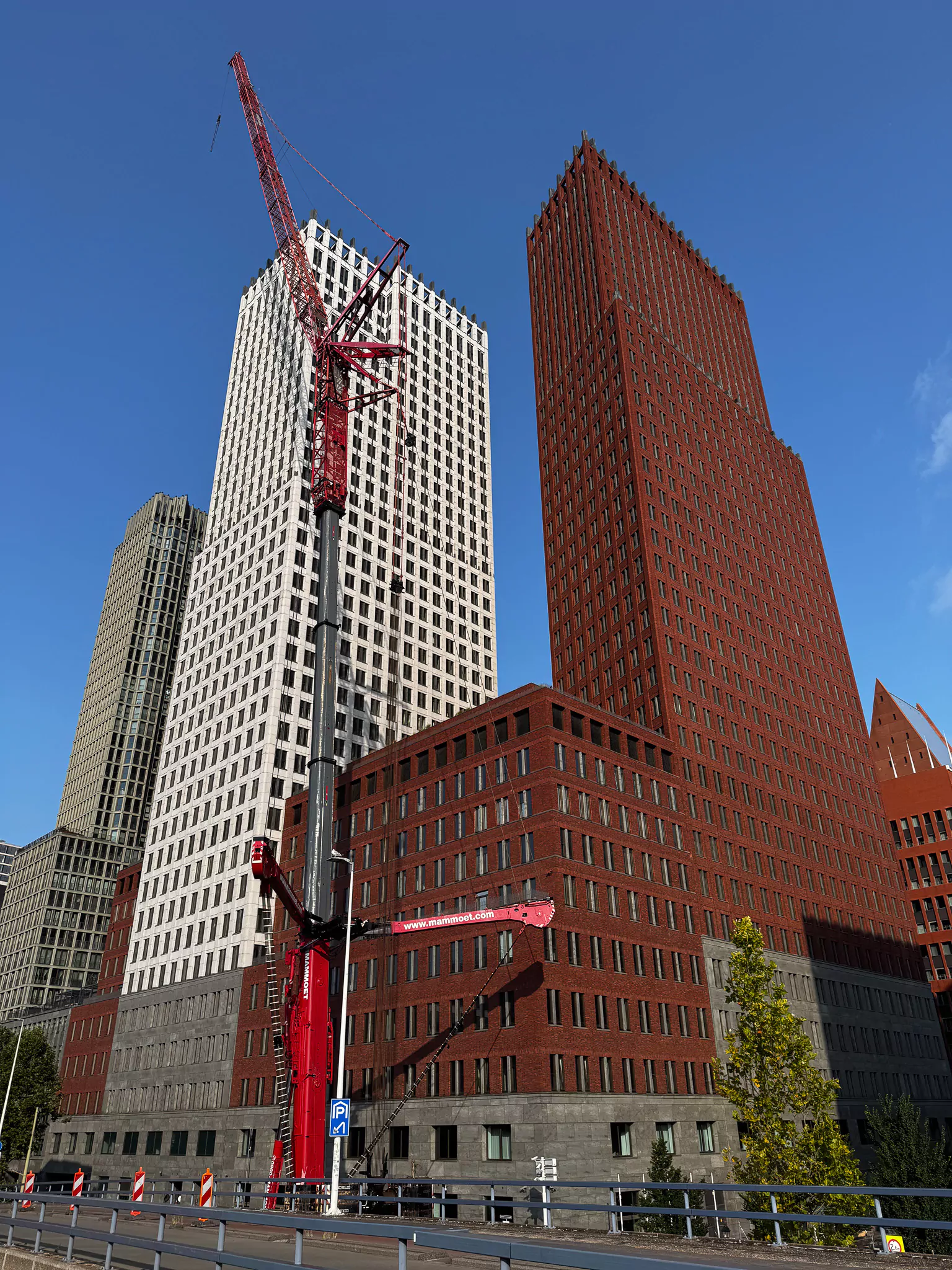
System Type: 2x Custom BMUs with concealed rooftop parking
Home to the Dutch Ministry of Justice and the Ministry of Internal Affairs, the JuBi Towers required replacement BMUs for two government towers exceeding 150 meters. Manntech delivered two custom building maintenance units designed to be fully concealed from The Hague’s skyline. The cradles include built-in 230V power sockets and water supply lines.
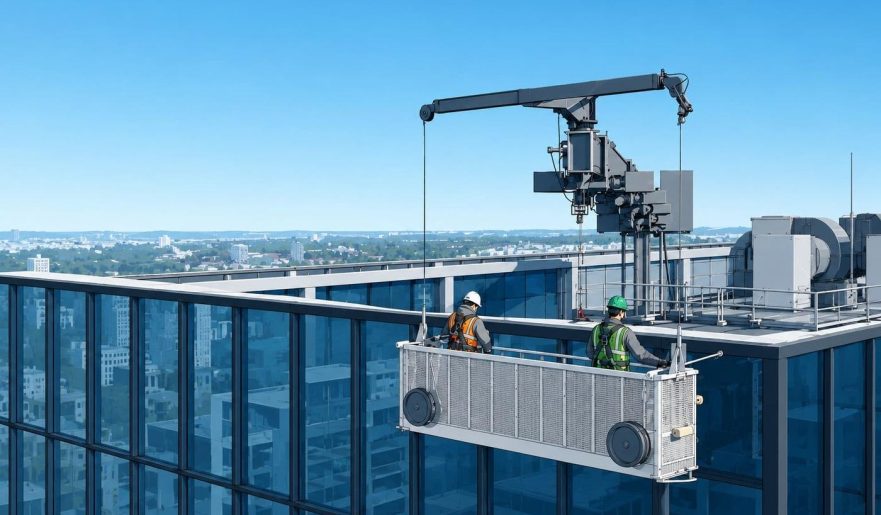
Facade access systems installed on these structures must meet the applicable national and international standards for suspended access equipment, fall protection, and structural loading. Non-compliance can result in project delays, failed inspections, increased insurance premiums, and personal liability for building owners.
Connect with our engineering team to discuss access solutions for your government or cultural building project.
The most common types of facade access equipment for government and cultural buildings include building maintenance units (BMUs), davit systems, monorails, powered platforms, and tieback anchors with horizontal lifelines. The right system depends on building height, facade complexity, rooftop conditions, and any heritage or security constraints specific to the project. Many government and cultural buildings require custom-engineered solutions to address irregular geometries, concealment requirements, and limited structural load capacity. Our team assesses each project individually to recommend the most effective and code-compliant configuration.
A facade access consultant evaluates the building design early in the project lifecycle to identify the best access strategy. This includes structural load analysis, BIM model integration, system specification, and compliance planning against applicable codes such as OSHA, BS EN 1808, and local regulations. Engaging a consultant during the design phase prevents expensive structural changes during or after construction.
Facade access systems on public buildings must comply with the applicable national and international safety standards for suspended access equipment and fall protection. Key standards include OSHA 29 CFR 1926 Subpart L (USA), BS EN 1808 (Europe), AS 1418.13 (Australia), CSA Z91 (Canada), ANSI/ASSP A1264.1, and the ANSI/ASSP Z359 fall protection code. Heritage-listed or government-classified buildings may have additional requirements related to structural loading, visual impact, and operational restrictions.
Yes. Many government buildings and cultural institutions were built before current facade access standards were established. Our retrofit team conducts structural assessments to determine load-bearing capacity, then designs custom access systems that meet current safety codes without altering the building’s protected features. Solutions range from lightweight davit systems and powered platforms to full BMU installations with concealed parking.
Facade Access Solutions brings together the global engineering expertise of Alimak Group on a single platform. We provide end-to-end support from initial design consultation through equipment manufacturing, installation, and ongoing lifecycle maintenance.