Global Site - English
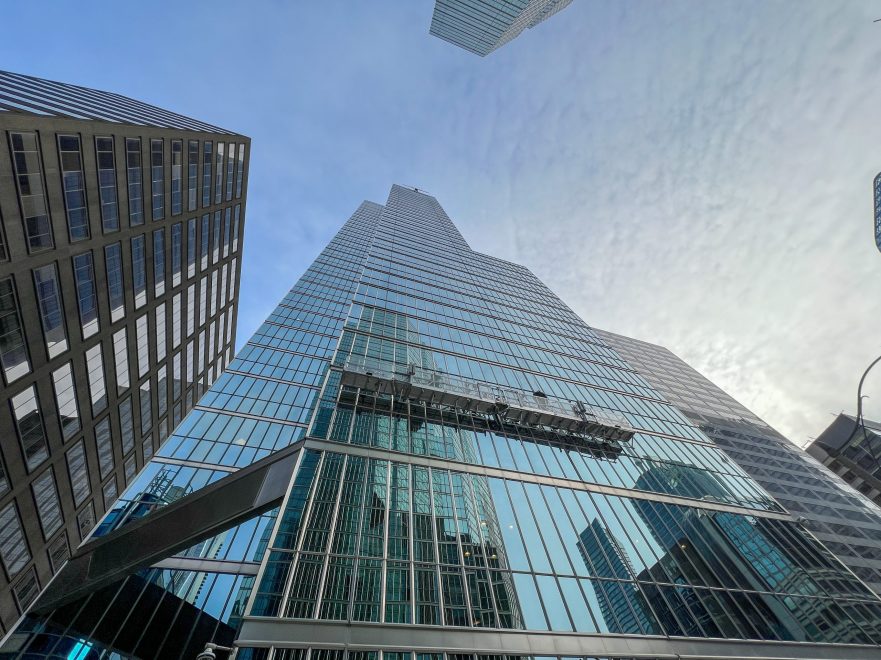
Residential and mixed-use buildings present access challenges that standard commercial systems are not designed to handle. Stepped facades, cantilevered balconies, rooftop amenity decks, and occupied interiors limit where equipment can be installed and when it can operate. Our engineering teams solve these constraints by integrating facade access systems that match each building’s profile while meeting regional and international safety codes.
Residential and mixed-use buildings of every height from low-rise and mid-rise blocks to high-rise towers need safe, reliable façade access for window cleaning, glazing replacement, and periodic inspections. The right facade access equipment keeps every elevation reachable while protecting the building’s design and the comfort of its occupants.We select and configure the right combination of products for each building based on its height, facade geometry, and operational requirements.
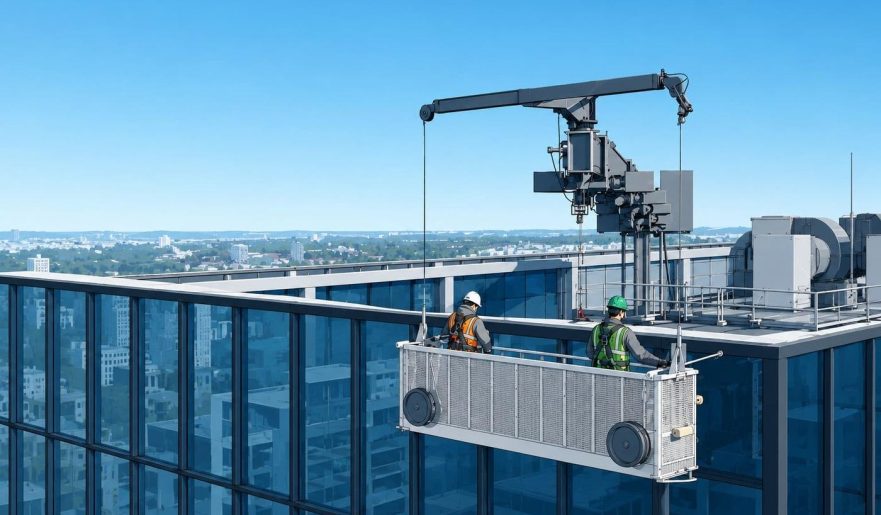
Because no two buildings are alike, facade access solutions can be tailored to each project. A standard BMU offers a proven, cost-effective option for many residential and mixed-use developments, while a custom BMU is engineered for complex facade geometries, unusual elevations, or specific architectural requirements. Depending on the roof layout and design intent, systems can be track-mounted for full, repeatable coverage or trackless for greater flexibility where rails aren’t practical or desired.
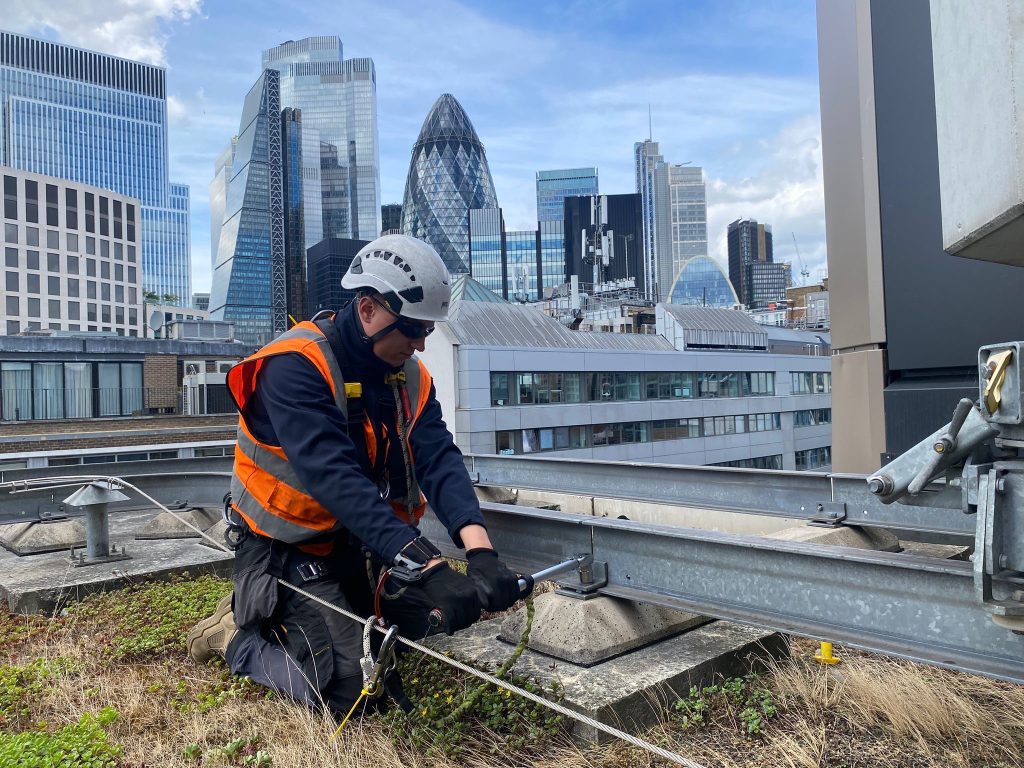
Davit systems provide a permanent, cost-effective facade access solution for buildings that suit a lightweight, flexible approach. Portable davit arms mount onto fixed bases at roof level or on terraces and podium decks, giving operators safe, repeatable access for window cleaning, glazing maintenance, and inspections. Because the arms are portable, a single set can be moved between multiple base positions to cover different parts of the facade without the footprint of larger rooftop equipment. Once maintenance is complete, the arms can be removed and stored, leaving only the discreet fixed bases in place. For many residential and mixed-use buildings, davit systems deliver dependable access with minimal rooftop presence and no heavy machinery, making them a practical complement to BMUs and other facade access solutions chosen to match each building’s design, height, and maintenance needs.
Mixed-use developments frequently include glazed atriums, covered walkways, and sloped canopy structures. Monorail systems provide guided access along these surfaces, reaching areas that roof-mounted equipment cannot. Monorails are suited to interior glazing and soffit maintenance common in residential lobbies and retail podiums.
Every residential high-rise needs permanent fall protection anchor points for maintenance personnel. Tiebacks and lifelines are the foundational safety components of any facade access system. Horizontal lifeline systems allow safe operator movement across the full rooftop work area.
For mid-rise residential buildings, powered platforms provide suspended cradle access paired with davit or monorail suspension points. Modular platform sections adjust to different facade lengths. Built-in safety features include tilt detection, slack cable sensors, and emergency descent controls. These platforms work well where a full building maintenance unit is not warranted.
A well-planned facade access strategy starts early and covers the full building lifecycle. Facade Access Solutions supports residential and mixed-use projects from initial design through retrofit and ongoing maintenance.
Planning facade access during the design phase prevents costly structural rework after building handover. Our new construction approach integrates structural provisions, track layouts, and BMU storage into the building design from the start. Early coordination with the architect and structural engineer eliminates conflicts with rooftop amenities and mechanical plant rooms.
Our integrated design services team works alongside architects and facade consultants to develop access concepts that align with the building envelope. Structural load analysis, BIM modeling, and system simulations help specify the right facade access system before construction begins. This collaborative process reduces risk and controls project costs.
Facade access standards have evolved over time, and many older residential and mixed-use buildings now operate with outdated equipment. Our retrofit services modernize these systems within the building’s existing structural constraints, upgrading aging or non-compliant access equipment to a safe, compliant, current-standard solution without altering the original building structure.
Large mixed-use developments often include pedestrian bridges, transport concourses, and public realm canopy structures that require ongoing maintenance. Our infrastructure access solutions cover these non-building elements with purpose-built systems that meet the same safety and performance standards as building-mounted equipment.
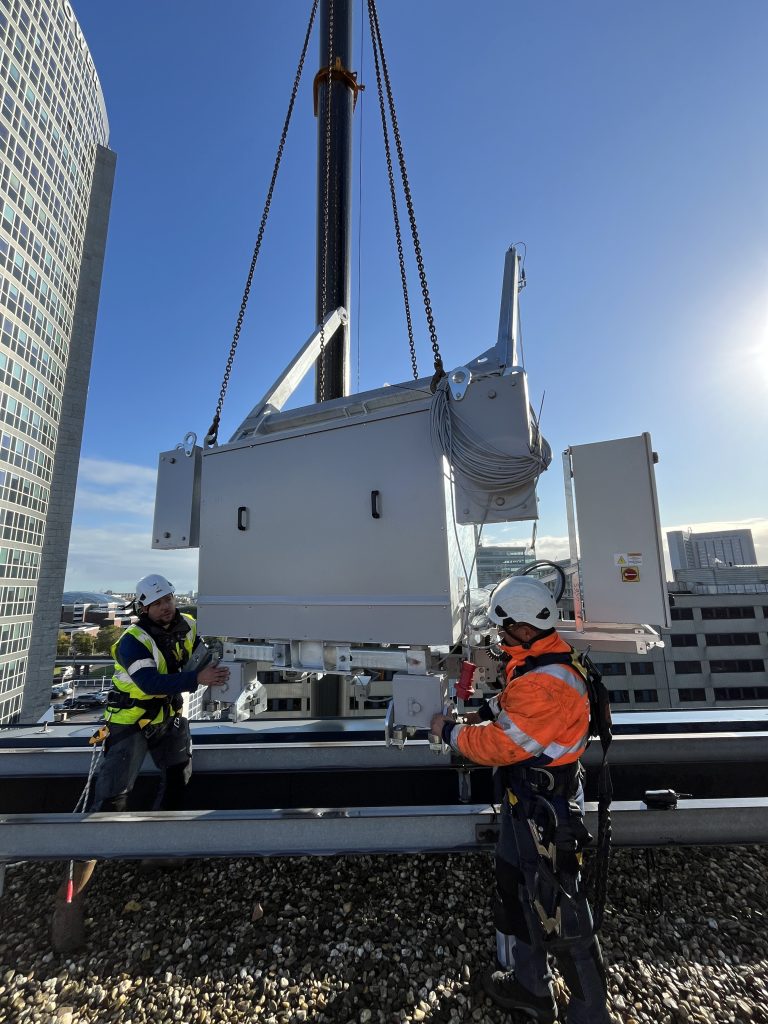
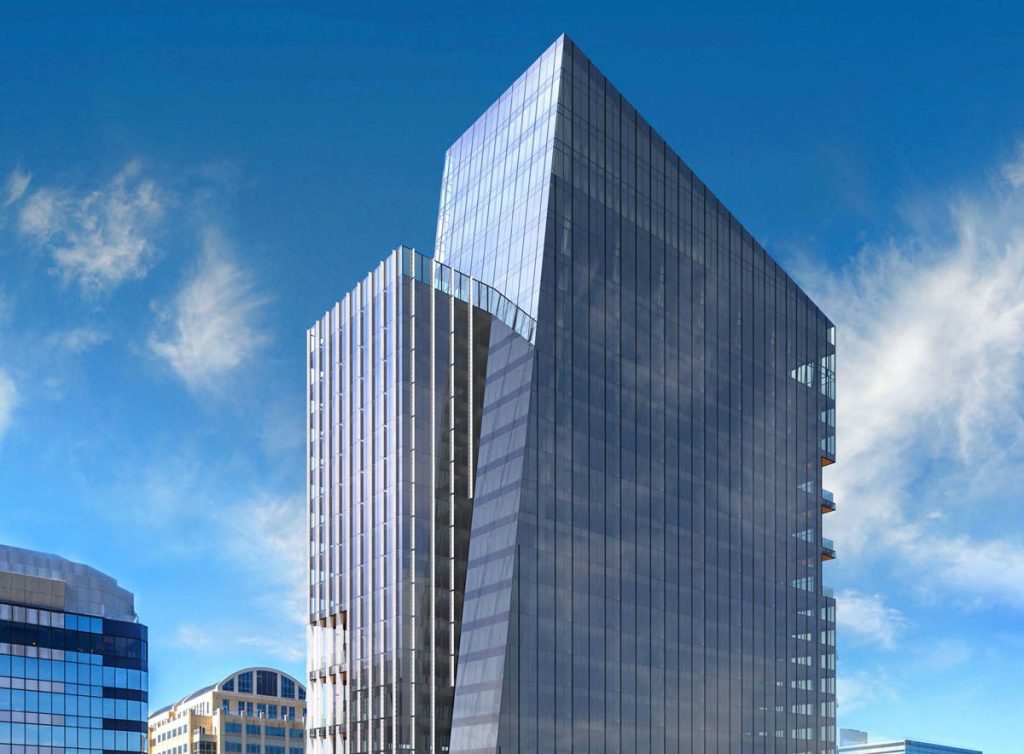
Facade access equipment on residential buildings operates in occupied environments where reliability and minimal disruption are priorities. Our service programs are delivered by factory-trained technicians through a global network.
Scheduled maintenance keeps facade access equipment operational and reduces unplanned downtime. Service solutions from Facade Access Solutions range from ad-hoc callouts to comprehensive annual service plans. All work is carried out by factory-trained technicians through our global service network.
Regular inspections keep your facade access system compliant with BS EN 1808, OSHA 29 CFR 1910.66, and applicable local building codes. Our inspection, safety, and compliance programs identify wear, component fatigue, and safety risks before they result in equipment failure or regulatory violations. For residential building owners, this reduces liability exposure.
Aging facade access equipment does not always need full replacement. Refurbishment solutions restore existing BMUs, davits, and platform systems to current performance and compliance standards. This extends the operational life of the equipment at a fraction of the cost of a new installation.
Non-genuine components create safety risks and may void manufacturer warranties. OEM spare parts from Tractel, Manntech, and CoxGomyl are engineered to original specifications. Genuine parts maintain system reliability and keep equipment compliant with certification requirements.
Facade access equipment on residential buildings has a service life measured in decades. Asset management programs help building owners plan maintenance budgets, schedule component replacements, and track equipment condition over time. Remote monitoring via our MyBMU platform delivers real-time operational data to enable proactive decision-making.
Safe operation of BMUs, davits, and powered platforms requires certified operator knowledge. Our training programs cover equipment operation, routine maintenance procedures, and emergency protocols. Training is available on-site or at regional service centers to support building maintenance teams.
Our portfolio includes facade access systems for some of the tallest and most architecturally complex residential buildings in the world.
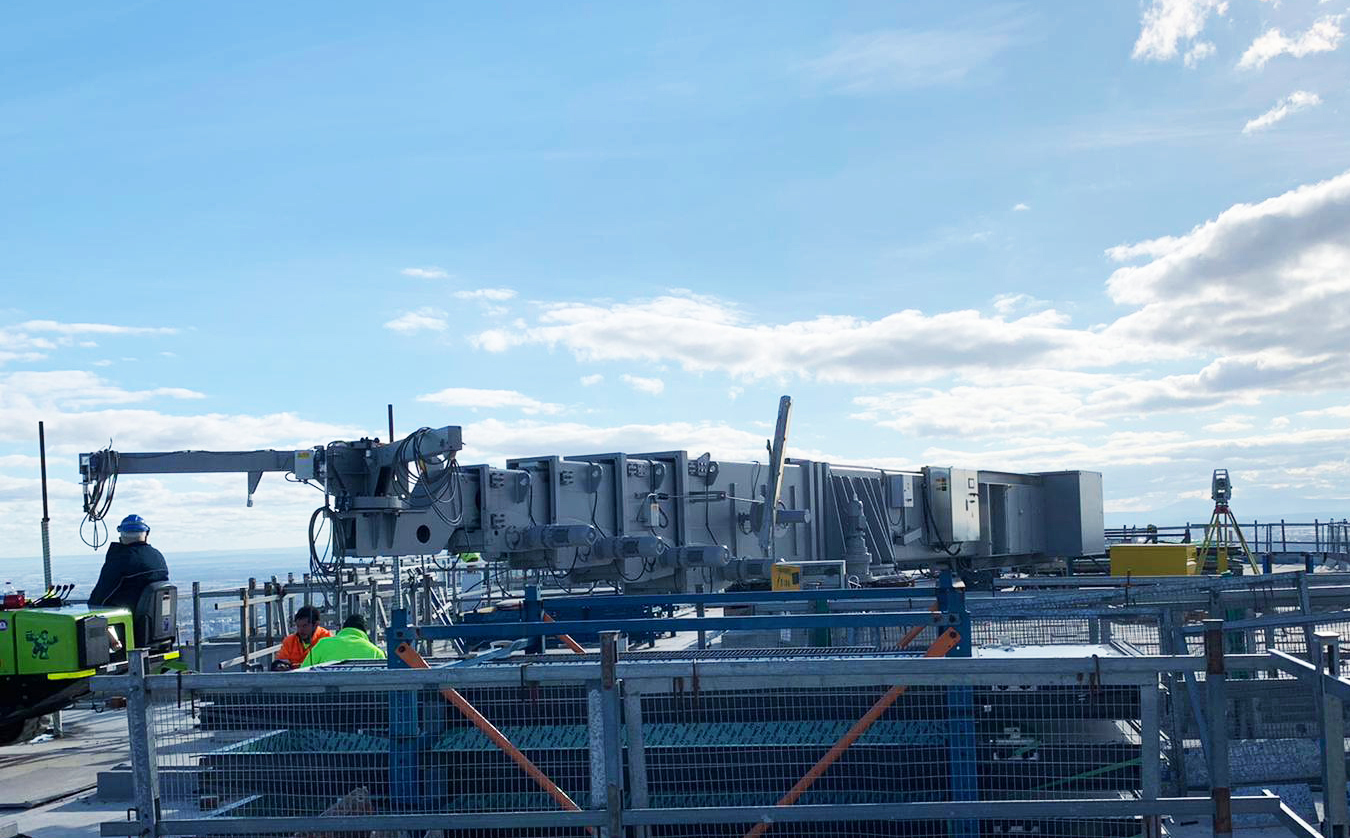
System Type: Custom BMUs with telescopic jibs
Australia 108 is a 100-story residential tower standing 320 meters above Melbourne’s Southbank precinct. Designed by Fender Katsalidis Architects, the building features a distinctive golden starburst element projecting across four levels. CoxGomyl engineered a system of five BMUs working in coordination to provide complete facade coverage. Units are stored within the building structure to preserve the tower’s slender profile.
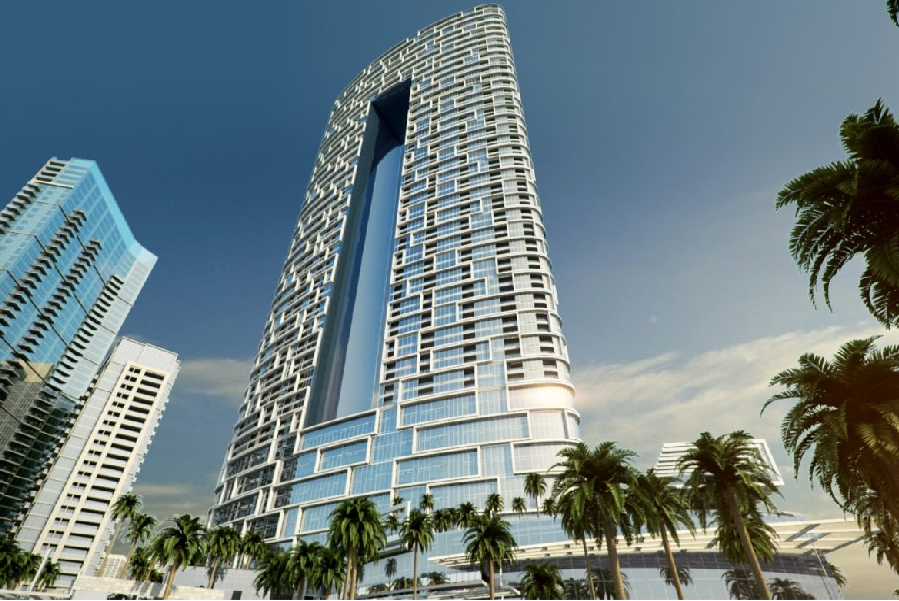
System Type: Custom BMUs with concealed storage and integrated launch trolleys
Jumeirah Gate is a luxury mixed-use development at Dubai Marina featuring twin 301-meter towers connected by large-scale steel bridges. The development includes a five-star hotel, residential apartments, and serviced units. CoxGomyl and Manntech developed a facade access system using two BMUs per tower. Each BMU is concealed within the building when not in use. The elliptical building form and bridge structures required purpose-engineered track systems.
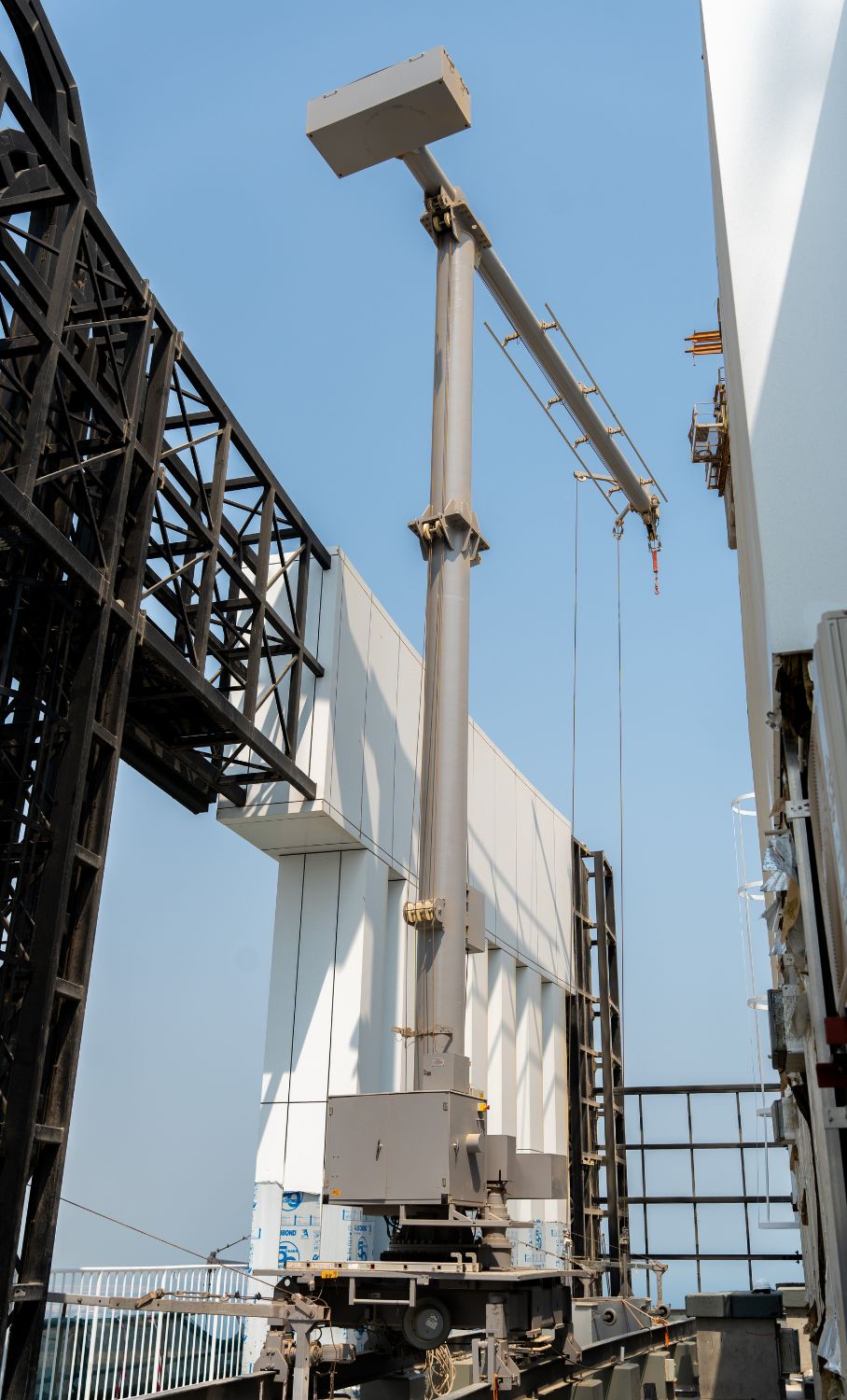
System Type: Facade Access BMU System
Golden Gate Towers is a twin-tower residential complex in Bahrain Bay consisting of 45 and 53 stories with 746 luxury apartments. CoxGomyl provided facade access solutions for the full height of both towers. The extensive glazed facades required reliable access for cleaning and maintenance across all elevations.
Facade Access Solutions designs and manufactures all equipment to meet or exceed these standards. Requirements vary by jurisdiction, but the following international and national standards commonly apply to facade access equipment design, installation, and operation:
Our engineers partner with architects and developers worldwide to design, install, and maintain facade access systems for residential and mixed-use buildings.
The right system depends on building height, facade complexity, and available roof space. Most residential high-rises above 15 stories require a building maintenance unit (BMU) for full facade coverage. Mid-rise residential buildings can often use davit systems or powered platforms. A facade access consultant will evaluate the building design and recommend the most practical and cost-effective system for your project.
Facade access should be addressed during the schematic design phase. Early involvement allows the structural engineer to account for roof loads, track layouts, and anchor provisions. Waiting until construction is underway often results in costly redesigns or structural modifications. The earlier a facade access consultant is engaged, the more options are available for system placement and integration.
Yes. Concealed BMU storage is a standard design approach for residential towers where visual aesthetics are a priority. Davit masts also lower below parapet height after maintenance is complete. The goal is to keep facade access equipment invisible to residents and the public.
Facade access equipment on residential buildings must comply with the applicable regional and international standards. In Europe, BS EN 1808 governs suspended access equipment. In North America, OSHA 29 CFR 1910.66 and ANSI/ASME A120.1 apply. Australia follows AS 1418.13 / AS 2550.13 for building maintenance units. Local jurisdictions may have additional requirements related to building maintenance access and fall protection. Visit our codes and regulations page for more detail.
Facade Access Solutions is part of Alimak Group. Together, we bring over 120 years of combined experience and more than 16,000 installed facade access systems worldwide. Our engineering teams design custom and configurable solutions for buildings of every complexity level. From initial concept through installation and ongoing service and maintenance, we provide single-source responsibility for your project.